Iran’s Defiant Stand: Tehran Rejects Temporary Ceasefire, Demands Complete Regional Conflict Resolution
BitcoinWorld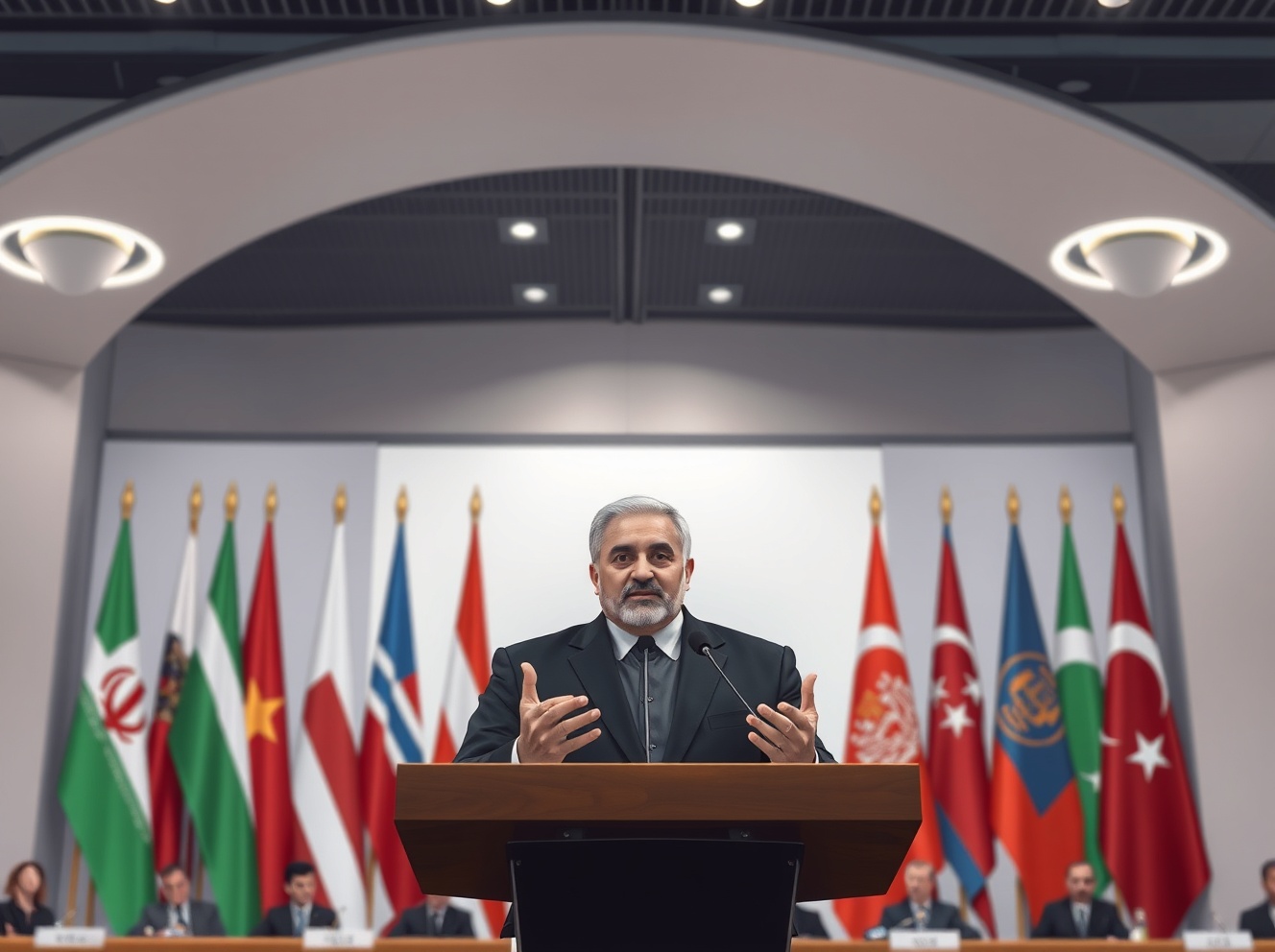
Iran’s Defiant Stand: Tehran Rejects Temporary Ceasefire, Demands Complete Regional Conflict Resolution
ANTALYA, TURKEY — April 17, 2025: In a significant diplomatic development, Iran has firmly rejected any temporary ceasefire proposals, instead demanding a comprehensive resolution to the ongoing regional conflict spanning from Lebanon to the Red Sea. Iranian Deputy Foreign Minister Ali Bagheri Kani, speaking at the fifth Antalya Diplomacy Forum, established Tehran’s position as a non-negotiable red line that could reshape Middle Eastern diplomacy. This declaration comes amid escalating tensions and represents Iran’s clearest statement yet on conflict resolution parameters.
Iran’s Ceasefire Rejection and Regional Demands
Deputy Foreign Minister Bagheri Kani articulated Iran’s position with unambiguous clarity during his press conference. He emphasized that Tehran would not accept partial solutions or temporary arrangements. Furthermore, the Iranian diplomat specified that any acceptable truce must encompass the entire conflict zone. This geographical scope includes multiple active theaters of conflict across the Middle East.
The Iranian position reflects several strategic considerations. First, Tehran views temporary ceasefires as inherently unstable mechanisms. Second, Iran seeks to prevent what officials describe as “conflict fragmentation.” Third, the demand represents Iran’s attempt to position itself as a regional power broker. Fourth, this stance aligns with Tehran’s broader foreign policy objectives.
Regional experts note this position carries significant implications. Dr. Leila Ahmed, Middle East analyst at the International Crisis Group, explains, “Iran’s demand for a comprehensive solution reflects their assessment that piecemeal approaches have failed historically. However, this maximalist position creates substantial diplomatic challenges for mediation efforts.”
The Geographical Red Line: Lebanon to Red Sea
Iran’s specified conflict zone encompasses several critical regions. From Lebanon, where Hezbollah maintains significant influence, through Syria’s ongoing stabilization challenges, to Yemen’s civil war, and finally to Red Sea maritime security issues. This geographical continuum represents what Iranian officials term “the arc of resistance.”
Key conflict points within this zone include:
- Lebanon-Israel border tensions with periodic exchanges of fire
- Syrian territory where multiple actors maintain presence
- Yemeni civil war involving Houthi forces and Saudi-led coalition
- Red Sea shipping lanes experiencing periodic security incidents
- Gaza reconstruction efforts following recent conflicts
This comprehensive approach contrasts sharply with recent international mediation attempts. Various diplomatic initiatives have sought to address individual conflicts separately. For instance, United Nations Special Coordinator Tor Wennesland has pursued Gaza-specific negotiations. Similarly, Oman has mediated Yemen-focused talks. Iran’s position explicitly rejects this fragmented methodology.
Historical Context of Iran’s Diplomatic Positions
Iran’s current stance follows established patterns in Tehran’s foreign policy. Historically, Iran has preferred comprehensive regional security arrangements. The 2015 nuclear agreement, while focused on nuclear issues, represented this comprehensive approach. Conversely, Iran has consistently opposed bilateral arrangements it perceives as isolating its interests.
A comparative analysis reveals consistency in Iran’s diplomatic methodology:
| Diplomatic Initiative | Iran’s Position | Outcome |
|---|---|---|
| 2015 Nuclear Deal (JCPOA) | Comprehensive multilateral agreement | Initially successful, later challenged |
| 2021 Yemen Ceasefire | Supported but sought broader regional inclusion | Temporary reduction in hostilities |
| 2023 Gaza Truce | Criticized as insufficiently comprehensive | Short-lived cessation |
This historical pattern suggests Iran’s current position represents strategic continuity rather than tactical innovation. Regional powers have responded with varying degrees of skepticism. Saudi Foreign Minister Prince Faisal bin Farhan recently noted, “While comprehensive solutions are ideal, practical diplomacy often requires incremental progress.”
International Reactions and Diplomatic Calculus
The international community has responded cautiously to Iran’s declaration. United States State Department spokesperson Matthew Miller stated, “We believe in practical, achievable steps toward de-escalation.” European Union foreign policy chief Josep Borrell emphasized, “All constructive proposals deserve consideration, but implementation feasibility remains crucial.”
Regional actors exhibit divergent perspectives. Turkey, as forum host, has positioned itself as neutral mediator. Foreign Minister Hakan Fidan remarked, “Turkey supports all efforts toward regional stability.” Meanwhile, Israeli officials have dismissed Iran’s proposal as “unrealistic and disingenuous.”
Several factors influence these reactions. First, trust deficits between Iran and other regional powers complicate negotiations. Second, competing security priorities create alignment challenges. Third, domestic political considerations in multiple capitals constrain diplomatic flexibility. Fourth, external power involvement adds complexity to regional calculations.
Potential Impacts on Regional Security Dynamics
Iran’s position could significantly affect Middle Eastern security architecture. A comprehensive regional settlement, while ambitious, might address root causes of conflict. Conversely, rejection of incremental approaches could prolong existing hostilities. The declaration also impacts ongoing diplomatic processes across multiple tracks.
Security analysts identify several potential consequences:
- Diplomatic process recalibration as mediators adjust to Iran’s parameters
- Regional alliance reassessments among Arab states and Israel
- Armed group calculations regarding continued hostilities or negotiations
- International engagement patterns with Iran and regional actors
- Humanitarian access implications for conflict-affected populations
Dr. Omar Rahman, fellow at the Middle East Council on Global Affairs, observes, “Iran’s demand for comprehensive resolution reflects their assessment of shifting regional power balances. However, the practical implementation challenges are substantial, particularly given multiple actors’ divergent interests.”
The Antalya Diplomacy Forum Context
The fifth Antalya Diplomacy Forum provided the platform for Iran’s declaration. This annual gathering has emerged as significant neutral ground for Middle Eastern diplomacy. Turkey strategically positions the forum as inclusive dialogue space. This year’s theme, “Advancing Diplomacy in Times of Turmoil,” specifically addressed regional conflict resolution.
Forum participants included representatives from over 100 countries. The gathering facilitated numerous bilateral and multilateral discussions. Iran’s delegation engaged with multiple counterparts during the event. These interactions informed Tehran’s decision to articulate its position publicly at this venue.
Turkish diplomatic sources indicate careful preparation preceded the forum. Ankara coordinated with multiple capitals to ensure productive discussions. The Iranian announcement, while firm in substance, employed diplomatic language appropriate to the forum’s tone. This suggests Tehran values the Antalya platform despite its firm position.
Conclusion
Iran’s rejection of temporary ceasefire arrangements represents a significant development in Middle Eastern diplomacy. Tehran’s demand for comprehensive conflict resolution from Lebanon to the Red Sea establishes clear parameters for future negotiations. This position reflects Iran’s strategic assessment of regional dynamics and its preferred diplomatic methodology. While implementation challenges remain substantial, the declaration clarifies Tehran’s red lines. Regional stability ultimately depends on whether this maximalist position evolves through diplomatic engagement or entrenches existing divisions. The international community now faces the complex task of reconciling Iran’s comprehensive approach with practical conflict resolution mechanisms.
FAQs
Q1: What exactly did Iran reject regarding ceasefire proposals?
Iran rejected any form of temporary ceasefire, demanding instead a complete and comprehensive end to regional conflicts spanning from Lebanon to the Red Sea, which Deputy Foreign Minister Bagheri Kani described as a non-negotiable red line.
Q2: Why does Iran oppose temporary ceasefires?
Iranian officials view temporary arrangements as unstable and ineffective, believing they perpetuate conflict cycles rather than resolve underlying issues. Tehran argues comprehensive solutions address root causes more effectively.
Q3: Which specific regions does Iran’s demand cover?
The specified conflict zone includes Lebanon, Syria, Yemen, Gaza, and Red Sea maritime areas—essentially what Iranian officials term “the arc of resistance” across the Middle East.
Q4: How have other countries responded to Iran’s position?
Responses vary: Western powers express skepticism about feasibility, regional actors have mixed reactions, and Turkey as forum host maintains neutral mediation posture while acknowledging the proposal’s significance.
Q5: What are the practical implications for ongoing peace efforts?
Iran’s position requires mediators to either pursue comprehensive regional settlements or attempt to proceed without Tehran’s endorsement, potentially complicating existing diplomatic tracks focused on specific conflicts.
This post Iran’s Defiant Stand: Tehran Rejects Temporary Ceasefire, Demands Complete Regional Conflict Resolution first appeared on BitcoinWorld.


You May Also Like

68% of global BTC miners came from the U.S., Russia, and China, Q1 2026

Vodacom Tanzania Modernises M-Pesa With $28m Infrastructure Upgrade