

Iranian Rial Hits Record Low: Ceasefire Sparks Surge in Hard Currency Demand
BitcoinWorld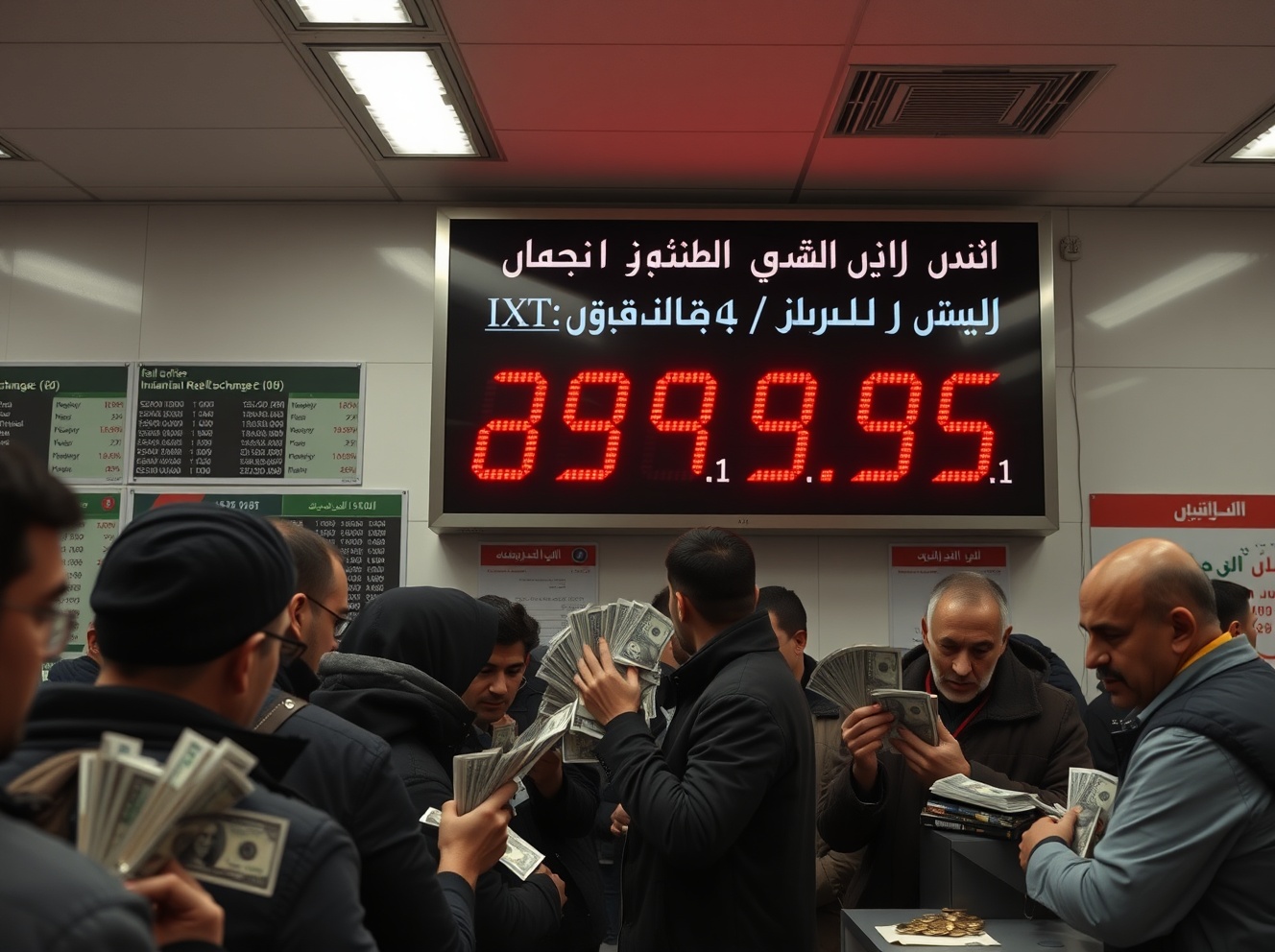
Iranian Rial Hits Record Low: Ceasefire Sparks Surge in Hard Currency Demand
The Iranian Rial has plunged to an unprecedented low against the US dollar, driven by a surge in demand for hard currency following a recent ceasefire announcement. This development marks a critical moment for Iran’s economy, which already struggles with high inflation and international sanctions. The Rial’s collapse underscores deep-seated vulnerabilities in the country’s financial system.
Ceasefire Triggers Hard Currency Demand
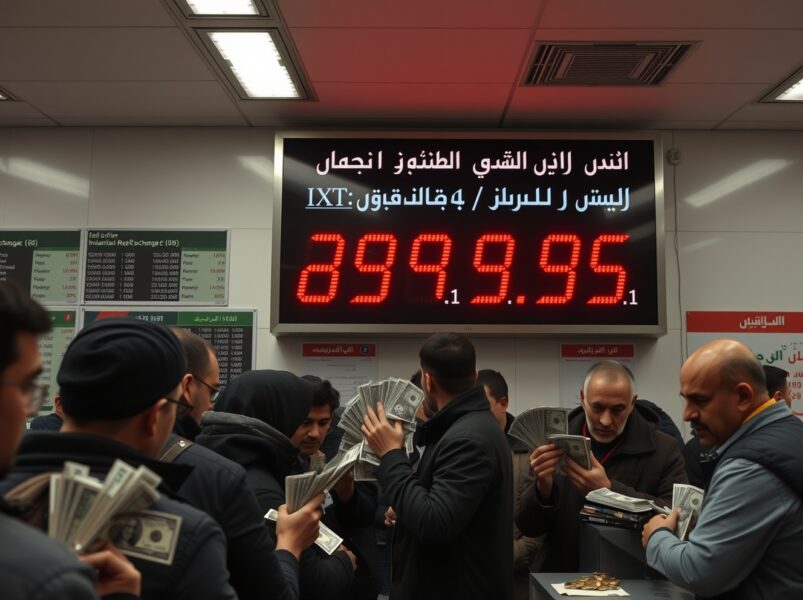
News of a ceasefire in a regional conflict triggered immediate reactions in Iran’s forex market. Many citizens and businesses rushed to convert their Rial holdings into more stable assets. This move aims to protect savings from further devaluation. The demand for US dollars, euros, and gold coins spiked sharply. Consequently, the Rial weakened by over 15% in a single trading session. This event represents the largest single-day drop in recent memory.
The ceasefire, while potentially reducing geopolitical tensions, created uncertainty about future economic conditions. Iranians often view hard currency as a safe haven during periods of instability. The central bank’s attempts to stabilize the currency have so far failed. Foreign exchange reserves remain low due to ongoing sanctions. This combination of factors fuels a persistent cycle of depreciation.
Record Low: Key Statistics and Timeline
The Iranian Rial hit an all-time low of 620,000 Rials per US dollar on the open market. This compares to the official rate of 420,000 Rials. The gap between official and market rates widens, indicating a severe shortage of foreign currency. Below is a timeline of the Rial’s decline over the past year:
| Date | Market Rate (per USD) | Event |
|---|---|---|
| January 2025 | 450,000 | Stable trading amid sanctions |
| March 2025 | 500,000 | Oil export drop |
| June 2025 | 550,000 | Inflation spikes to 45% |
| September 2025 | 590,000 | Ceasefire rumors begin |
| October 2025 | 620,000 | Ceasefire confirmed; record low |
This table illustrates the accelerating pace of the Rial’s decline. The ceasefire acted as a catalyst, not the root cause. Long-term structural issues drive the currency’s weakness.
Impact on Iranian Citizens and Businesses
The Rial’s record low directly affects everyday life in Iran. Imported goods become more expensive. Prices for food, medicine, and electronics rise rapidly. Many families see their purchasing power erode. Small businesses struggle to source raw materials. Some factories reduce production or shut down entirely.
Hard currency demand also impacts savings. Iranians with Rial-denominated accounts lose value daily. This forces people to seek alternative stores of value. Real estate and cryptocurrency markets see increased activity. However, these options carry their own risks. The central bank’s limited intervention fails to restore confidence.
Expert Analysis on Economic Implications
Economists warn that the Rial’s collapse could trigger a deeper recession. The International Monetary Fund projects Iran’s GDP to contract by 2% in 2025. Inflation may exceed 50% by year-end. The government faces difficult choices. It can devalue the official rate, but that would fuel more inflation. Alternatively, it can tighten capital controls, but that may spark black market activity.
Dr. Ali Rezaei, a Tehran-based economist, states: “The ceasefire created a false sense of opportunity. People rushed to buy dollars, but the underlying problems remain. Sanctions, mismanagement, and lack of foreign investment are the real issues.” This perspective highlights the need for structural reforms.
Regional and Global Ramifications
The Iranian Rial’s decline has regional implications. Neighboring countries like Iraq and Afghanistan, which trade heavily with Iran, feel the effects. Iranian exports become cheaper, but imports from Iran become more expensive. This disrupts supply chains. Global oil markets also watch closely. Iran’s ability to export oil depends on stable currency markets. A weak Rial increases production costs for oil companies.
International investors remain cautious. The ceasefire may reduce geopolitical risk, but economic instability persists. Foreign direct investment into Iran remains near zero. The Rial’s record low reinforces perceptions of high risk. This creates a vicious cycle: weak currency deters investment, which further weakens the currency.
Government Response and Policy Measures
The Iranian government announced several measures to curb the Rial’s fall. It injected $500 million into the forex market. It also raised interest rates to attract Rial deposits. However, these steps have limited effect. The central bank lacks sufficient reserves to defend the currency. Analysts estimate that Iran holds only $20 billion in usable foreign exchange reserves.
Authorities also cracked down on unofficial currency exchanges. They arrested several black market dealers. This move aims to reduce speculative demand. However, it may drive more activity underground. The gap between official and market rates continues to widen.
Historical Context of the Rial’s Decline
The Iranian Rial has lost over 90% of its value since 2018. The reimposition of US sanctions triggered the initial collapse. Each subsequent geopolitical event accelerated the decline. The 2020 US drone strike, the 2023 protests, and now the 2025 ceasefire all contributed. This pattern shows a currency vulnerable to external shocks.
Iran’s economy relies heavily on oil exports. Sanctions limit these exports, reducing dollar inflows. The government prints money to cover budget deficits. This fuels inflation and devalues the Rial. Breaking this cycle requires either sanctions relief or major economic reforms. Neither seems likely in the short term.
Conclusion
The Iranian Rial hitting a record low after the ceasefire highlights the fragility of Iran’s economy. Hard currency demand surged as citizens sought safety. The Rial’s decline reflects deep structural issues: sanctions, inflation, and policy failures. Immediate government measures have not restored confidence. The road to recovery requires sustained reforms and geopolitical stability. For now, the Iranian Rial remains under severe pressure.
FAQs
Q1: Why did the Iranian Rial hit a record low after the ceasefire?
A1: The ceasefire created uncertainty about future economic conditions. Citizens and businesses rushed to buy hard currency as a safe haven. This sudden demand overwhelmed the market, causing the Rial to plunge.
Q2: How does the Rial’s record low affect ordinary Iranians?
A2: It reduces purchasing power significantly. Prices for imported goods, food, and medicine rise. Savings lose value rapidly. Many families struggle to afford basic necessities.
Q3: What is the difference between the official and market exchange rates?
A3: The official rate is set by the central bank at 420,000 Rials per USD. The market rate is determined by supply and demand, currently at 620,000 Rials. The gap indicates a shortage of foreign currency.
Q4: Can the Iranian government stabilize the Rial?
A4: Short-term measures like injecting dollars and raising interest rates have limited effect. Long-term stabilization requires sanctions relief, structural reforms, and increased foreign investment. These are challenging to achieve.
Q5: What are the regional impacts of the Rial’s decline?
A5: Neighboring countries like Iraq and Afghanistan experience trade disruptions. Iranian exports become cheaper, but imports cost more. Regional supply chains face instability. Global oil markets also feel the effects.
This post Iranian Rial Hits Record Low: Ceasefire Sparks Surge in Hard Currency Demand first appeared on BitcoinWorld.


You May Also Like

Shiba Inu (SHIB) Drops 40% YTD, Investors Monitor This New Protocol

Incrypted Conference 2026: Ukraine's Premier Crypto Event Returns to Kyiv this June
