BitcoinWorld Astra Nova Token Buyback: Strategic 660 Million RVV Repurchase Bolsters Web3 Game Economy In a decisive move for the blockchain gaming sector, theBitcoinWorld Astra Nova Token Buyback: Strategic 660 Million RVV Repurchase Bolsters Web3 Game Economy In a decisive move for the blockchain gaming sector, the

Astra Nova Token Buyback: Strategic 660 Million RVV Repurchase Bolsters Web3 Game Economy

Strategic Astra Nova token buyback strengthens the RVV ecosystem for Web3 gaming players.

BitcoinWorld

Astra Nova Token Buyback: Strategic 660 Million RVV Repurchase Bolsters Web3 Game Economy

In a decisive move for the blockchain gaming sector, the popular Web3 role-playing game Astra Nova has executed a substantial buyback of 660 million RVV tokens, transferring the assets to a publicly verifiable wallet on January 15, 2025. This strategic action immediately signals a robust commitment to the project’s long-term tokenomics and the stability of its in-game economy. Consequently, the gaming and crypto communities are analyzing the implications of this sizable treasury maneuver for both current players and future investors.

Astra Nova Token Buyback: A Deep Dive into the Mechanics

The core announcement is straightforward yet significant. Astra Nova’s development team permanently removed 660 million RVV tokens from circulating supply. Subsequently, they deposited these tokens into a designated public wallet. Importantly, blockchain explorers verify this transaction, providing full transparency. This process effectively reduces sell pressure on the open market. Furthermore, it demonstrates a direct application of project capital to support the native asset. Typically, such buybacks utilize revenue generated from in-game asset sales or primary market funding rounds. Therefore, this action often reflects strong underlying financial health. The repurchased tokens now reside in a community treasury or a similar locked contract. Ultimately, this treasury can fund future development, player rewards, or ecosystem grants.

The Context of Token Buybacks in Web3 Gaming

Token buybacks are not a novel concept in traditional finance or cryptocurrency. However, their application in Web3 gaming carries unique weight. For instance, successful games like Axie Infinity and The Sandbox have previously used similar mechanisms. Primarily, these actions aim to align developer incentives with token holder value. Moreover, a reduced circulating supply can positively impact token scarcity, assuming demand remains constant or increases. Astra Nova’s move follows a growing trend where game studios actively manage their digital economies. This proactive management is crucial for sustaining player engagement and investor confidence over time. Notably, the scale of this buyback—660 million tokens—represents a major commitment relative to the game’s total token supply.

Analyzing the Impact on the RVV Token Ecosystem

The immediate and long-term effects of this Astra Nova token buyback are multifaceted. First, market psychology often reacts positively to such demonstrative acts of confidence from a core team. Second, the altered supply dynamics introduce a new fundamental variable for the RVV token.

  • Supply Shock: Removing a large chunk of tokens from circulation can create a supply shock, potentially increasing valuation if demand persists.
  • Enhanced Utility: Tokens held in a public treasury are frequently redeployed into the ecosystem through staking rewards, liquidity mining, or player quests, boosting utility.
  • Investor Confidence: The move signals that the developers are financially invested in the token’s success, building trust within the community.
  • Economic Stability: By controlling a significant reserve, the team can theoretically intervene to stabilize the in-game economy during volatile periods.

However, analysts caution that buybacks are a tool, not a guarantee. Sustainable value depends overwhelmingly on continued game development, user acquisition, and genuine player enjoyment. The true test for Astra Nova will be converting this capital allocation into enhanced gameplay and a larger, more active player base.

Expert Perspectives on Sustainable GameFi Economics

Industry observers emphasize that tokenomics must serve the game, not the other way around. “A buyback is a strong signal, but it’s a secondary layer,” notes a report from the Blockchain Game Alliance. “Primary value drivers are always fun, engagement, and fair reward mechanisms.” Successful Web3 games increasingly mirror traditional free-to-play models, where the token acts as a vibrant in-game currency rather than a pure speculative asset. The Astra Nova team has previously detailed a dual-token model or similar structure in its whitepaper, where RVV likely functions as the governance or premium currency. Therefore, this buyback could be part of a larger, pre-planned token emission schedule designed to manage inflation and reward long-term participants.

The Evolving Landscape of Web3 Gaming in 2025

The Astra Nova RVV token buyback occurs within a rapidly maturing blockchain gaming industry. By 2025, the sector has moved beyond the “play-to-earn” hype cycle toward more sustainable “play-and-earn” or “play-and-own” models. User experience and game quality are now paramount. In this context, treasury management actions like buybacks become a standard tool for serious projects. They demonstrate fiscal responsibility and a long-term vision. Furthermore, regulatory clarity in key markets has provided a more stable framework for game developers to operate. This stability allows for confident strategic decisions, such as committing substantial resources to token ecosystem health. Astra Nova’s action aligns with this industry-wide shift toward professionalism and player-centric design.

Comparative Web3 Game Token Actions (2024-2025)
Game ProjectActionScalePrimary Stated Goal
Astra NovaToken Buyback660 Million RVVEcosystem Support & Supply Management
Project A (Example)Token Burn200 Million TokensPermanent Supply Reduction
Project B (Example)Treasury Allocation15% of SupplyCommunity Grants & Development

Conclusion

The Astra Nova token buyback of 660 million RVV tokens represents a significant and confident step in managing the game’s digital economy. By executing this sizable repurchase and ensuring its transparency via a public wallet, the project reinforces its commitment to the RVV token’s long-term viability. While such mechanisms can positively influence tokenomics and community trust, the foundational driver of success remains the game’s quality and player adoption. This strategic move positions Astra Nova as a proactive participant in the evolving Web3 gaming landscape, where sophisticated economic design is becoming as important as gameplay innovation itself. The industry will watch closely to see how this capital is redeployed to fuel further growth and engagement within the Astra Nova universe.

FAQs

Q1: What does a token buyback mean for Astra Nova players?
For players, a buyback can signal a healthier in-game economy. It may lead to greater token stability and potentially more rewards funded from the treasury, enhancing the overall gaming experience.

Q2: Where are the bought-back RVV tokens stored?
The 660 million RVV tokens are stored in a public blockchain wallet. Anyone can verify the holdings and transactions of this wallet using a blockchain explorer, ensuring full transparency.

Q3: Does a buyback guarantee the RVV token price will increase?
No, a buyback does not guarantee a price increase. It is a single factor that reduces circulating supply. The token’s long-term value depends on broader game adoption, utility, and overall market conditions.

Q4: How is a token buyback different from a token burn?
A buyback removes tokens from circulation but holds them in a treasury for future use. A burn permanently destroys tokens, removing them from the total supply forever. Astra Nova executed a buyback.

Q5: What is the significance of this happening in the Web3 gaming sector?
It indicates the sector’s maturation. Projects are now using sophisticated treasury management tools common in traditional tech and crypto, focusing on sustainable economic design rather than short-term speculation.

This post Astra Nova Token Buyback: Strategic 660 Million RVV Repurchase Bolsters Web3 Game Economy first appeared on BitcoinWorld.

Market Opportunity
Astra Protocol Logo
Astra Protocol Price(ASTRA)
$0.0005636
$0.0005636$0.0005636
-0.15%
USD
Astra Protocol (ASTRA) Live Price Chart
Disclaimer: The articles reposted on this site are sourced from public platforms and are provided for informational purposes only. They do not necessarily reflect the views of MEXC. All rights remain with the original authors. If you believe any content infringes on third-party rights, please contact service@support.mexc.com for removal. MEXC makes no guarantees regarding the accuracy, completeness, or timeliness of the content and is not responsible for any actions taken based on the information provided. The content does not constitute financial, legal, or other professional advice, nor should it be considered a recommendation or endorsement by MEXC.

You May Also Like

Crucial Fed Rate Cut: Powell’s Bold Risk Management Move Explained
Crucial Fed Rate Cut: Powell’s Bold Risk Management Move Explained

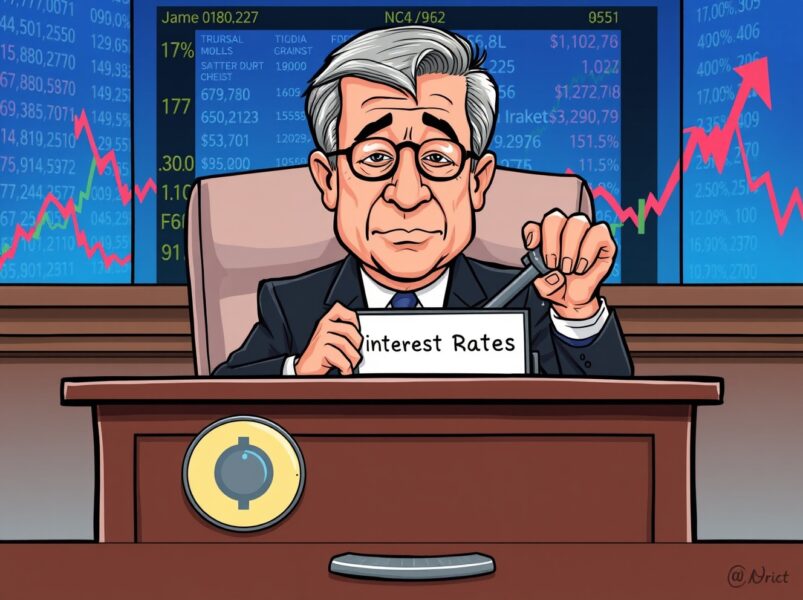
BitcoinWorld Crucial Fed Rate Cut: Powell’s Bold Risk Management Move Explained In a significant development for global financial markets, Federal Reserve Chair Jerome Powell recently described the latest Fed rate cut as a critical risk management measure. This statement immediately captured the attention of investors, economists, and especially those in the dynamic cryptocurrency space. Understanding Powell’s rationale and the potential implications of this move is essential for navigating today’s complex economic landscape. What Exactly is a Fed Rate Cut and Why Does it Matter? A Fed rate cut refers to the Federal Reserve lowering the target range for the federal funds rate. This is the interest rate at which commercial banks borrow and lend their excess reserves to each other overnight. When the Fed lowers this rate, it typically makes borrowing cheaper across the entire economy. This decision impacts everything from mortgage rates to business loans. The Fed uses interest rates as a primary tool to influence economic activity, aiming to achieve maximum employment and stable prices. A lower rate often stimulates spending and investment, but it can also signal concerns about economic slowdown. Key reasons for a rate cut often include: Slowing economic growth or recession fears. Low inflation or deflationary pressures. Global economic instability impacting domestic markets. A desire to provide more liquidity to the financial system. Powell’s emphasis on ‘risk management’ suggests a proactive approach. The Fed is not just reacting to current data but also anticipating potential future challenges. They are essentially trying to prevent a worse economic outcome by adjusting policy now. How Does a Fed Rate Cut Influence the Broader Economy? When the Federal Reserve implements a Fed rate cut, it sends ripples throughout the financial world. For traditional markets, lower interest rates generally mean: Boost for Stocks: Companies can borrow more cheaply, potentially increasing profits and stock valuations. Investors might also move money from lower-yielding bonds into equities. Cheaper Borrowing: Consumers and businesses enjoy lower rates on loans, from mortgages to credit cards, encouraging spending and investment. Weaker Dollar: Lower rates can make a country’s currency less attractive to foreign investors, potentially leading to a weaker dollar. Bond Market Shifts: Existing bonds with higher yields become more attractive, while newly issued bonds will have lower yields. This shift in monetary policy aims to inject confidence and liquidity into the system, countering potential economic headwinds. However, there’s always a delicate balance to strike, as too much stimulus can lead to inflationary pressures down the line. What Does This Fed Rate Cut Mean for Cryptocurrency Investors? The impact of a Fed rate cut on the cryptocurrency market is often a topic of intense discussion. While crypto assets operate independently of central banks, they are not immune to broader macroeconomic forces. Here’s how a rate cut can play out: Increased Risk Appetite: With traditional savings and bond yields potentially lower, investors might seek higher returns in riskier assets, including cryptocurrencies like Bitcoin and Ethereum. Inflation Hedge Narrative: Some view cryptocurrencies, particularly Bitcoin, as a hedge against inflation and traditional currency debasement. If a rate cut leads to concerns about inflation, this narrative could gain traction. Liquidity Influx: A more accommodative monetary policy can increase overall liquidity in the financial system, some of which may flow into digital assets. Dollar Weakness: A weaker dollar, a potential consequence of rate cuts, can sometimes make dollar-denominated assets like crypto more appealing to international investors. However, it’s crucial to remember that the crypto market also has its unique drivers, including technological developments, regulatory news, and market sentiment. While a Fed rate cut can provide a tailwind, it’s not the sole determinant of crypto performance. Navigating the New Landscape: Actionable Insights for Crypto Investors Given the Federal Reserve’s stance on risk management through a Fed rate cut, what steps can crypto investors consider? Stay Informed: Keep a close watch on further Fed announcements and economic data. Understanding the broader macroeconomic picture is vital. Diversify Your Portfolio: While a rate cut might favor risk assets, a balanced portfolio that includes a mix of traditional and digital assets can help mitigate volatility. Long-Term Perspective: Focus on the fundamental value and long-term potential of your chosen cryptocurrencies rather than short-term fluctuations driven by macro news. Assess Risk Tolerance: Re-evaluate your personal risk tolerance in light of potential market shifts. Lower rates can encourage speculation, but prudence remains key. Powell’s description of the Fed rate cut as a risk management measure highlights the central bank’s commitment to maintaining economic stability. For cryptocurrency enthusiasts, this move underscores the increasing interconnectedness of traditional finance and the digital asset world. While a rate cut can create opportunities, a thoughtful and informed approach is always the best strategy. Frequently Asked Questions (FAQs) What exactly is a Fed rate cut? A Fed rate cut is when the Federal Reserve lowers its target for the federal funds rate, which is the benchmark interest rate banks charge each other for overnight lending. This action makes borrowing cheaper across the economy, aiming to stimulate economic activity. Why did Powell emphasize “risk management” for this Fed rate cut? Jerome Powell emphasized “risk management” to indicate that the Fed was proactively addressing potential economic slowdowns or other future challenges. It suggests a preventative measure to safeguard against adverse economic conditions rather than merely reacting to existing problems. How does a Fed rate cut typically affect the crypto market? A Fed rate cut can make traditional investments less attractive due to lower yields, potentially driving investors towards higher-risk, higher-reward assets like cryptocurrencies. It can also increase overall market liquidity and strengthen the narrative of crypto as an inflation hedge. Should crypto investors change their strategy after a rate cut? While a rate cut can influence market dynamics, crypto investors should primarily focus on their long-term strategy, fundamental research, and risk tolerance. It’s wise to stay informed about macroeconomic trends but avoid making impulsive decisions based solely on a single policy change. What are the potential downsides of a Fed rate cut? Potential downsides include increased inflationary pressures if the economy overheats, a weaker national currency, and the possibility of creating asset bubbles as investors chase higher returns in riskier markets. It can also signal underlying concerns about economic health. Did you find this article insightful? Share your thoughts and help others understand the implications of the Fed’s latest move! Follow us on social media for more real-time updates and expert analysis. To learn more about the latest crypto market trends, explore our article on key developments shaping Bitcoin’s price action. This post Crucial Fed Rate Cut: Powell’s Bold Risk Management Move Explained first appeared on BitcoinWorld.
Share
Coinstats2025/09/18 16:40
Why Vitalik Buterin Just Pulled 16,384 ETH From His Holdings

Why Vitalik Buterin Just Pulled 16,384 ETH From His Holdings

The post Why Vitalik Buterin Just Pulled 16,384 ETH From His Holdings appeared first on Coinpedia Fintech News Ethereum co-founder Vitalik Buterin just withdrew
Share
CoinPedia2026/01/30 18:19
Record-breaking streak ends – Rabobank

Record-breaking streak ends – Rabobank

The post Record-breaking streak ends – Rabobank appeared on BitcoinEthereumNews.com. Rabobank’s report notes that Gold has seen a significant retracement, ending
Share
BitcoinEthereumNews2026/01/30 18:24