Robots on the blockchain? RobotFi’s implementation mechanism and feasibility considerations
Author: Fishmarketacad , APAC BD of Monad
Compiled by: Tim, PANews
I’ve been watching videos of robots walking, and was thinking on my walk this morning: what if robots ran on a blockchain?
The core of DeFi is to automate financial processes through code, while robots are dedicated to automating physical tasks. The combination of the two is a natural extension of the development of automation. If we believe in the power of programmable money, smart contracts and artificial intelligence, then extending this programmability to robots, that is, physical programmable AI agents, is the next logical evolution.
One of the strongest leaders in the field of robotics today is Yushu Technology.
Although it will take many years for robots like Yushu Technology to truly enter mainstream applications, and putting robot data on the chain sounds more like an unattainable fantasy, it does not prevent us from daydreaming.
How does RobotFi achieve this today?
Today’s robots don’t interface directly with blockchains at a hardware level. They don’t have built-in blockchain nodes or cryptographic processors (an interesting idea that will be explored later).
Therefore, to bring existing robots onto the chain, we need a bridge layer or middle layer (usually an off-chain service or server) to connect the robot and the blockchain. Each robot also needs to be assigned a dedicated wallet address.
Yushu Robot uses its existing communication capabilities (such as Wi-Fi, Ethernet, and possibly supported cellular networks) to connect to off-chain services through standard network protocols (such as HTTP, WebSocket, etc.). Subsequently, the off-chain service will use standard blockchain libraries and APIs (such as Web3.js, Ethers.js) to interact with the blockchain.
Smart contracts on the blockchain can trigger the Yushu robot to perform actions through off-chain services. For example, when the off-chain service detects that a payment has been made to the address associated with the robot, it will send instructions to the robot to perform a specific task.
I also envision a future where robots can be programmed like smart contracts, able to execute various "action scripts or robot strategies." These strategies can be created by independent developers, allowing robots to be considered physical smart contracts or AI agents.
Initially the scripts created will probably be in a "wild west" state where you can program the bot to do anything except certain prohibited actions, and there will be an independent security or management system monitoring and preventing the bot from doing anything dangerous. Again, we are still dreaming.
This will allow robotics companies to focus on robotics technology itself, rather than robotics services. Robot services will be "outsourced" to developers to implement. The on-chain robotics service running through the off-chain service is called RobotFi.
In other words, RobotFi will be a vertical track where participants can earn on-chain income by funding or developing robot-related activities.
What are the application scenarios of RobotFi?
Over-mortgage housekeeping rental service
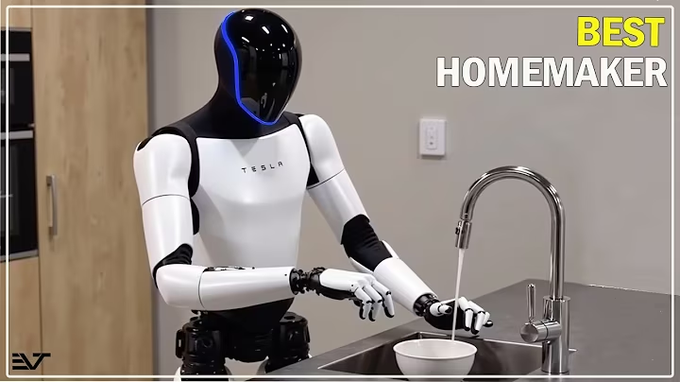
One of the most popular applications of humanoid robots is domestic service.
Running a bot service for the first time can carry a lot of risks.
Robots may malfunction, make mistakes, be damaged or fail to achieve the expected results. The traditional rental and service model relies on trust in the platform or service provider.
This is where RobotFi gets interesting.
Developers no longer need to rely on centralized insurance companies or corporate guarantees, but can develop off-chain services to bring robots onto the chain, and further develop supporting services for robots (such as housekeeping services). In order to ensure the safety and reliability of the service, developers can attract LPs on the chain to inject collateral, which will serve as insurance and economic security. In return, LPs will receive actual income generated by the service.
Mechanism analysis:
- Robot strategy insurance pool: LP deposits collateral assets into the pool to provide risk protection for the robot strategy in exchange for the income generated by the strategy.
- Robot strategy insurer: Strategy creators can purchase risk protection for their robot strategies from the insurance pool. The specific premium depends on factors such as the robot type and asset size, the risk factor of the task performed, and the selected coverage amount.
- Smart contract controlled compensation mechanism: The insurance is managed by smart contracts. These smart contracts define the specific conditions that trigger the compensation. Possible triggering events include the failure of the robot strategy, which will trigger the LP's compensation (similar to the slashing penalty mechanism) to compensate users who purchased the robot strategy service. If the task is successfully completed without any abnormalities, the robot diagnosis system will report the task completion status to the off-chain service and issue the payment to the LP.
In the above examples, I described the robot and robot policy separately, but the same mechanism would work if the robot and robot policy were combined into a single rental program. In this case, the security can be extended to the robot itself. For example, if the robot itself is damaged during the rental period, the relevant compensation will be paid to the robot owner.
The tenant may also need to pass certain KYC verification (to prevent him from running away with the robot), and the tenant's credit qualifications are likely to affect the developer's insurance premium costs. For example, if the tenant has a good on-chain reputation and/or has a high income (zero-knowledge proof verification), then the developer needs to pay a lower premium, and vice versa.
To summarize by analogy with blockchain:
- Robot (Infrastructure/Chain): Provides the core infrastructure, i.e. an easy-to-program and physically high-performance robot.
- Robotic Services (On-chain Applications): Specific tasks programmed by experts, like applications built on top of the robotics infrastructure.
- Robot Insurance (collateral provided by LPs): LP collateral acts as a safety and economic guarantee for robot services. They provide trust, security, and operational mechanisms for risk and failure handling in the RobotFi ecosystem, just as collateral in the Automated Verification System (AVS) is used to provide security for on-chain transactions and network operations.
Strictly speaking, you don’t have to buy insurance. Although there are certain advantages to obtaining robot services through on-chain payments, these advantages are not significant. Since robots are in the real physical world, buying insurance can effectively improve consumers’ trust and acceptance. In contrast, it is difficult to obtain the same degree of user recognition without insurance services.
Economic alignment and incentivizing good robot behavior
This insurance/collateral system creates strong economic incentives for good bot behavior and responsible strategies, benefiting all participants:
LP incentives:
- Premium income: LPs earn income from the premiums paid by robot owners. The income must be attractive enough to incentivize them to lock their funds in the insurance pool.
- Risk-adjusted returns: Differentiated insurance pools can be set up for different risk levels (robot types/task categories). High-risk pools compensate for claims risks through higher returns, allowing LPs to independently choose their risk-return preferences.
Incentives for robot owners/strategists:
- Reduce financial risks: The insurance mechanism helps avoid major losses caused by robot failure, damage or liability accidents, reduces operational risks, and increases the willingness to own robots.
- Build competitive advantage: Robot owners who provide insurance services can create market segmentation and obtain higher rental premiums by building user trust.
Incentives for Robot Manufacturers/Developers:
- Reliability demand drives manufacturers to improve product reliability. The insurance system indirectly drives manufacturers to improve product reliability. Robots with low failure rates and good safety records will enjoy lower insurance premiums, thus enhancing their market competitiveness.
- Data-driven iteration: Insurance claims data (failure type/cause of damage) provides manufacturers with insights to improve product design and drive technology optimization.
Incentives for users/tenants:
- Trust building and risk mitigation: The insurance mechanism enhances users’ confidence in RobotFi’s services, and they can obtain financial protection against economic losses caused by failures when renting robots.
- Access to high-end equipment: Insurance mechanisms reduce the economic risks of leasing high-value robots, prompting more advanced equipment to enter the leasing market.
- Reasonable compensation mechanism: When a robot malfunctions or fails to perform a task, users can obtain compensation through insurance claims to optimize the service experience.
Challenges facing RobotFi
Although the concept of RobotFi is interesting, there are many challenges and we are far from ready. The main challenges are concentrated in the two core aspects of centralization/data verifiability mechanism in the field of robotics and the quantitative evaluation system of insurance claims.
- Off-chain service dependency: As we discussed earlier, off-chain services are almost inevitable under current technical conditions. Such services become the centralized control node of the system and a potential failure point. Whoever controls the service will have a significant impact on the RobotFi system.
- Reliability and verifiable data for insurance claims: Insurance claims rely on verifiable evidence of robot failure, damage, or mission failure. How to reliably and trustlessly transmit this data from the physical world to the on-chain system is an extremely complex challenge.
- Fair claim assessment: In the decentralized RobotFi scenario, how do you determine whether a claim is valid and whether the amount of compensation is reasonable? Traditional centralized insurance companies rely on claims adjusters, but how can a decentralized system be implemented?
Final Thoughts
This is not a serious article about RobotFi, just a potential vision. While the concept of RobotFi is interesting, its feasibility depends on overcoming many significant technical, economic, and centralization challenges.
It’s not clear yet whether the RobotFi concept offers enough advantages over centralizing the entire robotics ecosystem in the hands of a few key companies that pre-design their own robots with fixed functions.
You May Also Like

SBI VC Trade Adds Litecoin to Japanese Lending Program

Work Dogs TGE Is Running — Is WD About to Drop in Q2 After March 30?