Crypto Fear & Greed Index Plunges to 16: What Extreme Fear Means for Your Portfolio
BitcoinWorld
Crypto Fear & Greed Index Plunges to 16: What Extreme Fear Means for Your Portfolio
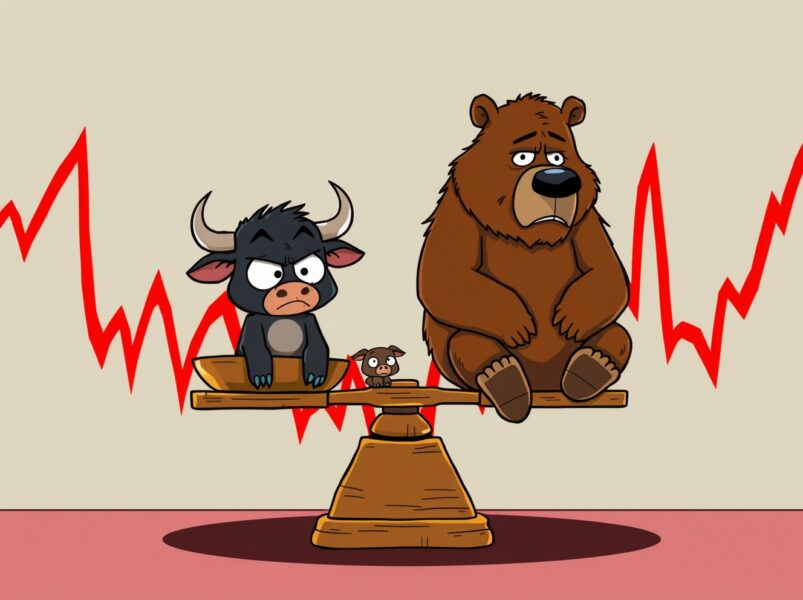
The cryptocurrency market is gripped by palpable anxiety. The widely watched Crypto Fear & Greed Index has just dropped to a mere 16, solidifying a state of extreme fear among investors. This critical gauge of market psychology is flashing a bright red warning sign, but what does it truly mean for Bitcoin, altcoins, and your investment strategy? Let’s decode the fear.
What is the Crypto Fear & Greed Index Telling Us?
The Crypto Fear & Greed Index, provided by Alternative.me, is more than just a number. It’s a composite snapshot of investor emotion. A score of 16, down five points from the previous day, places the market firmly in ‘Extreme Fear’ territory. This index operates on a simple scale: 0 represents maximum fear, while 100 signifies extreme greed. The current reading suggests a market dominated by panic, uncertainty, and selling pressure.
How is the Crypto Fear & Greed Index Calculated?
This sentiment indicator isn’t based on guesswork. It synthesizes data from multiple sources to create a holistic view. Understanding its components helps explain why the score is so low:
- Volatility (25%): Sharp price swings, especially downward, increase fear.
- Market Volume (25%): High volume during downturns signals panic selling.
- Social Media (15%): The tone and volume of discussions on platforms like Twitter and Reddit.
- Surveys (15%): Direct polls of market participant sentiment.
- Bitcoin Dominance (10%): A shift towards Bitcoin can signal a ‘flight to safety’.
- Google Trends (10%): Search volume for terms like ‘Bitcoin crash’.
The current low score across these metrics paints a clear picture of a nervous and retreating market.
Is Extreme Fear a Bad Sign for Crypto Investors?
While a low Crypto Fear & Greed Index score feels alarming, seasoned investors often view it through a different lens. Historically, periods of extreme fear have frequently preceded major market bottoms and buying opportunities. This contrarian perspective is rooted in the idea that when everyone is fearful, assets may be undervalued.
However, this is not a guaranteed buy signal. Extreme fear can also precede further declines if negative fundamentals persist. Therefore, the index is best used as a tool for context, not a crystal ball.
Actionable Insights in a Fear-Driven Market
Navigating a market with a Crypto Fear & Greed Index at 16 requires a calm and strategic approach. Here are some actionable steps:
- Do Not Panic Sell: Emotional selling at lows often locks in losses.
- Review Your Portfolio: Assess the fundamentals of your holdings. Has anything changed?
- Consider Dollar-Cost Averaging (DCA): This strategy involves investing fixed amounts regularly, buying more when prices are low.
- Secure Your Assets: Ensure your cryptocurrencies are in a secure wallet, not on an exchange.
- Use the Time to Research: Market downturns are an excellent opportunity to study projects without FOMO.
The Bottom Line on Today’s Crypto Sentiment
The Crypto Fear & Greed Index hitting 16 is a significant marker of collective market psychology. It confirms the challenging environment but also serves as a reminder of crypto’s cyclical nature. Markets move from fear to greed and back again. While the short-term path may be rocky, understanding this sentiment gauge empowers you to make decisions based on data, not emotion. The extreme fear reading today could be the foundation for the next phase of the market cycle.
Frequently Asked Questions (FAQs)
Q: What does a Crypto Fear & Greed Index of 16 mean?
A: A score of 16 indicates ‘Extreme Fear’ in the cryptocurrency market. It suggests investors are predominantly pessimistic, which is often associated with selling pressure and high volatility.
Q: Is the Crypto Fear & Greed Index a reliable buy or sell signal?
A: It is a sentiment indicator, not a direct trading signal. While extreme fear can signal a potential buying zone for contrarians, it does not guarantee an immediate price reversal. Always combine it with fundamental and technical analysis.
Q: How often is the Crypto Fear & Greed Index updated?
A: The index is updated daily, typically once per day, reflecting the most recent market data and social sentiment.
Q: Should I sell my crypto if the index shows extreme fear?
A> Not necessarily. Selling during extreme fear often means selling at a loss. It’s crucial to assess your investment thesis, risk tolerance, and the long-term fundamentals of your assets rather than reacting solely to sentiment.
Q: Where can I check the current Crypto Fear & Greed Index score?
A: The index is publicly available on websites like Alternative.me. Many major cryptocurrency news and data platforms also feature it.
Did this breakdown of the Crypto Fear & Greed Index help you understand the market’s mood? Share this article with fellow investors who could use a clear perspective during these volatile times. Knowledge is power, especially when fear is in the air.
To learn more about the latest crypto market trends, explore our article on key developments shaping Bitcoin and Ethereum price action.
This post Crypto Fear & Greed Index Plunges to 16: What Extreme Fear Means for Your Portfolio first appeared on BitcoinWorld.
You May Also Like

Will the 10% Rally Build Into a Bigger Run?

Strategic Surge: BlackRock’s Major Digital Asset Expansion with 7 Key Hires