

Urgent: Why the US Crypto Tax Exemption Bill Must Protect Bitcoin
BitcoinWorld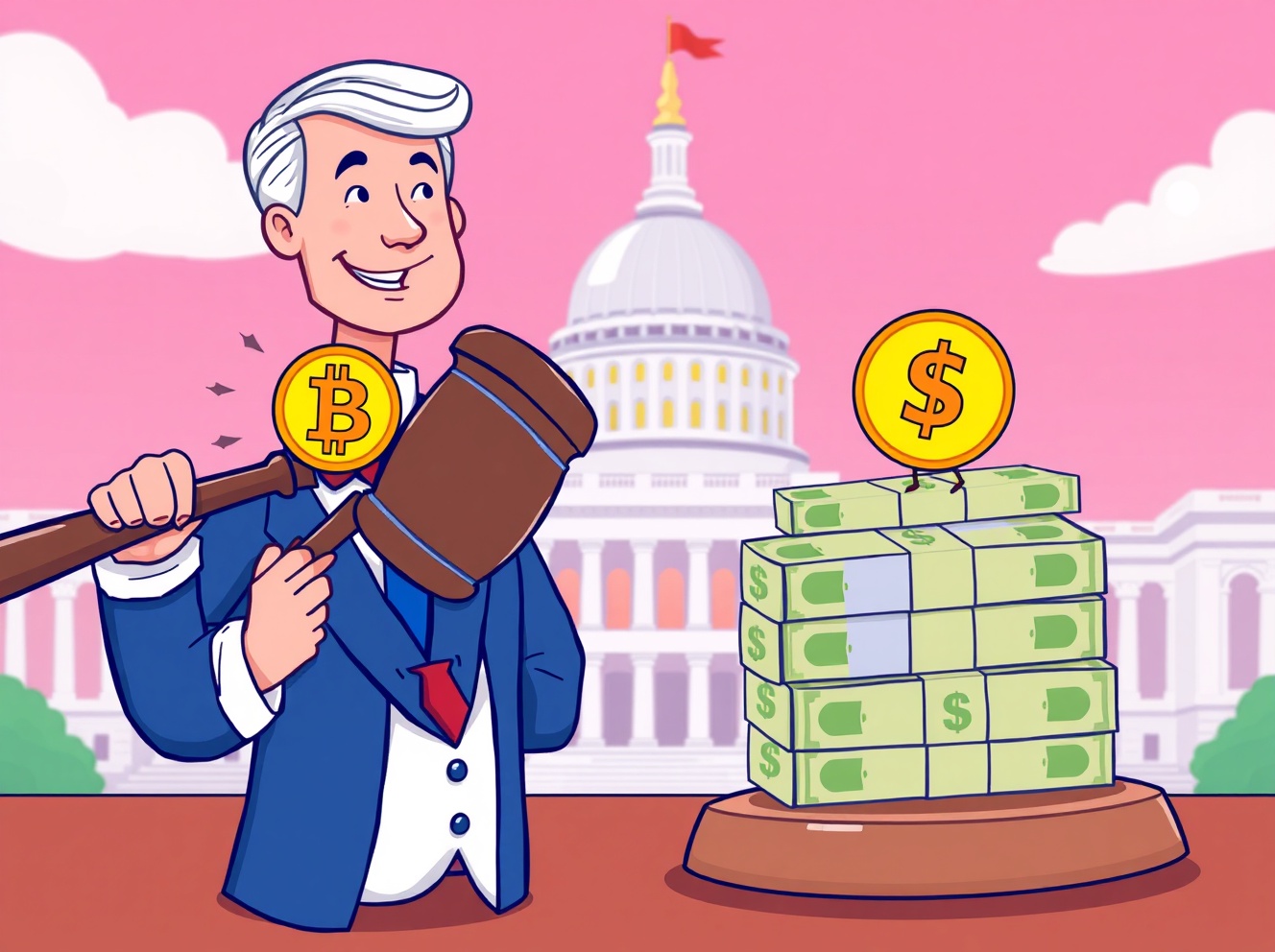
Urgent: Why the US Crypto Tax Exemption Bill Must Protect Bitcoin
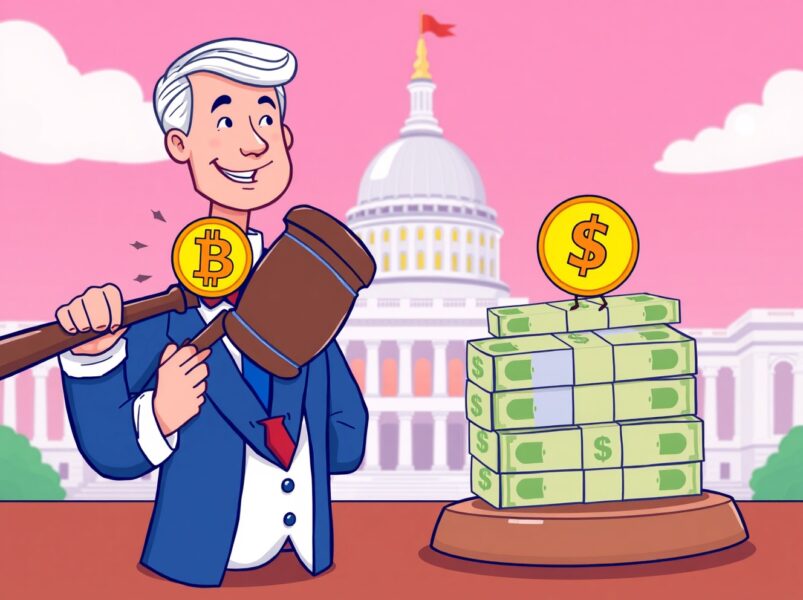
Imagine buying a coffee with Bitcoin and facing a complex tax form for a $5 transaction. This is the reality for many Americans today, but a proposed crypto tax exemption bill aims to change that. However, a critical debate is emerging: should this relief apply only to stablecoins, or should it include the original cryptocurrency, Bitcoin? The Bitcoin Policy Institute (BPI) is raising a crucial alarm, arguing that excluding Bitcoin would be a major misstep for US innovation.
What is the Proposed Crypto Tax Exemption Bill?
In July, a significant piece of legislation entered the US Senate. Introduced by Senator Cynthia Lummis of Wyoming, the bill seeks to create a de minimis exemption for small cryptocurrency transactions. In simple terms, it would remove the tax reporting burden for crypto purchases under $300, with an annual cap of $5,000 per person. The goal is straightforward: to allow people to use digital currencies for everyday purchases without getting tangled in tax paperwork for minor amounts.
This proposal addresses a long-standing pain point in the crypto community. Under current law, every time you use crypto to buy goods, it’s considered a taxable event. You must calculate the capital gain or loss between your purchase price and the price at the time of spending. For small, routine transactions, this creates an administrative nightmare and stifles practical use.
Why is Bitcoin’s Inclusion in the Bill So Critical?
The BPI’s concern stems from the bill’s potential wording and focus. There is a risk that the exemption could be crafted specifically for stablecoins—digital tokens pegged to the value of the US dollar. While including stablecoins is a positive step, limiting the bill to them would miss a fundamental opportunity.
Excluding Bitcoin would send a damaging message. It would effectively treat the world’s first and most recognized cryptocurrency as a second-class digital asset, unsuitable for daily commerce. This runs counter to Bitcoin’s original vision as “peer-to-peer electronic cash.” Moreover, it could:
- Hinder Mainstream Adoption: If using Bitcoin for small purchases remains a tax headache, people will avoid it for daily use.
- Stifle Innovation: It would create a regulatory preference for one type of digital asset over another, potentially chilling development in the broader ecosystem.
- Ignore User Choice: Many Americans hold and prefer to use Bitcoin. The law should accommodate technological neutrality and user preference.
What Are the Broader Implications for Crypto Policy?
This debate is about more than just tax forms; it’s about how the United States chooses to regulate the digital asset frontier. A well-crafted crypto tax exemption bill that includes Bitcoin would achieve several key policy objectives. First, it would provide much-needed clarity and simplicity for consumers. Second, it would demonstrate that US lawmakers understand the nuanced differences between various digital assets and are willing to create sensible rules for their use.
Conversely, a bill that excludes Bitcoin could be seen as picking winners and losers. It might suggest that regulators view Bitcoin solely as a speculative investment (like gold) rather than a potential medium of exchange. This narrow view could push development and talent to other jurisdictions with more forward-thinking frameworks.
What Happens Next for This Legislation?
The path forward for Senator Lummis’s bill involves committee reviews, potential amendments, and votes. The advocacy from groups like the Bitcoin Policy Institute is vital during this stage. They must clearly articulate to lawmakers why a broad, inclusive exemption is necessary for healthy market growth and consumer protection.
Public awareness and comment can also influence the process. When constituents understand that a crypto tax exemption bill could make their financial lives easier, they may encourage their representatives to support a comprehensive version. The outcome will set a precedent for how America integrates cryptocurrencies into its existing financial and legal systems.
Conclusion: A Pivotal Moment for Practical Crypto Use
The push for a small transaction tax exemption is a common-sense move toward making cryptocurrencies practical for everyday life. However, the integrity and effectiveness of this policy hinge on its inclusivity. By urging lawmakers to ensure Bitcoin is covered, the Bitcoin Policy Institute is fighting for a principle: that innovation should not be artificially constrained by regulation. The final shape of this crypto tax exemption bill will reveal whether the US is building a framework for the future of money or inadvertently walling off its most pioneering asset.
Frequently Asked Questions (FAQs)
Q1: What is the de minimis tax exemption proposed in the crypto bill?
A1: The “de minimis” exemption would mean that cryptocurrency transactions under $300 (with a $5,000 annual cap) would not require capital gains tax reporting or calculation, simplifying their use for small purchases.
Q2: Why does the Bitcoin Policy Institute want Bitcoin included?
A2: The BPI argues that excluding Bitcoin would treat it as inferior to stablecoins for daily use, contradicting its potential as a peer-to-peer electronic cash system and unfairly hindering its adoption in commerce.
Q3: How does the current tax law treat small Bitcoin purchases?
A3: Currently, every time you spend Bitcoin, it’s a taxable event. You must calculate the gain or loss based on the price you bought it at versus the price when you spent it, even for a $5 coffee, creating significant paperwork.
Q4: What are stablecoins, and why might they be favored in the bill?
A4: Stablecoins are cryptocurrencies pegged to a stable asset like the US dollar. They might be favored because their low price volatility makes them seem more like traditional currency for payments, simplifying the tax argument for an exemption.
Q5: Can this bill become law soon?
A5: The bill is in the early legislative stages. It must pass through committee hearings, possible amendments, and votes in both the Senate and House before becoming law, which can be a lengthy process.
Q6: How can the public influence this legislation?
A6: Individuals can contact their US Senators and Representatives to express support for a clear and inclusive crypto tax exemption that covers all qualifying digital assets, including Bitcoin.
Did this article clarify the high-stakes debate around the US crypto tax exemption bill? If you found it insightful, share it on social media to help others understand this critical issue shaping the future of Bitcoin and digital currency in America. Spreading awareness is key to fostering informed policy discussions.
To learn more about the latest Bitcoin trends, explore our article on key developments shaping Bitcoin institutional adoption and regulatory landscapes.
This post Urgent: Why the US Crypto Tax Exemption Bill Must Protect Bitcoin first appeared on BitcoinWorld.
You May Also Like

Huawei goes public with chip ambitions, boosting China’s tech autonomy post-Nvidia

Whales keep selling XRP despite ETF success — Data signals deeper weakness
