Prediction Markets Face Legal Showdown: Coinbase Sues Connecticut and States in Crucial Fight

BitcoinWorld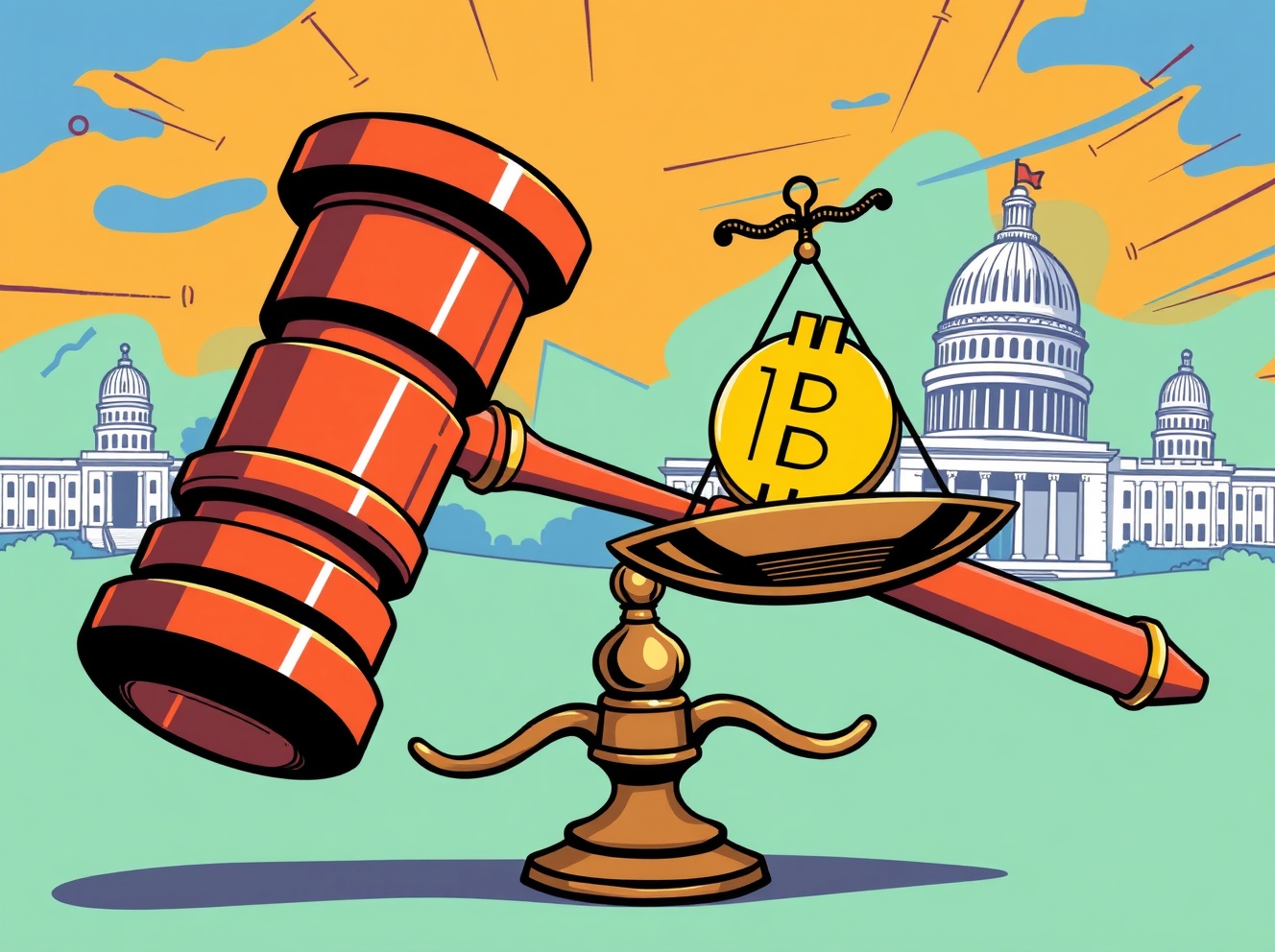
Prediction Markets Face Legal Showdown: Coinbase Sues Connecticut and States in Crucial Fight
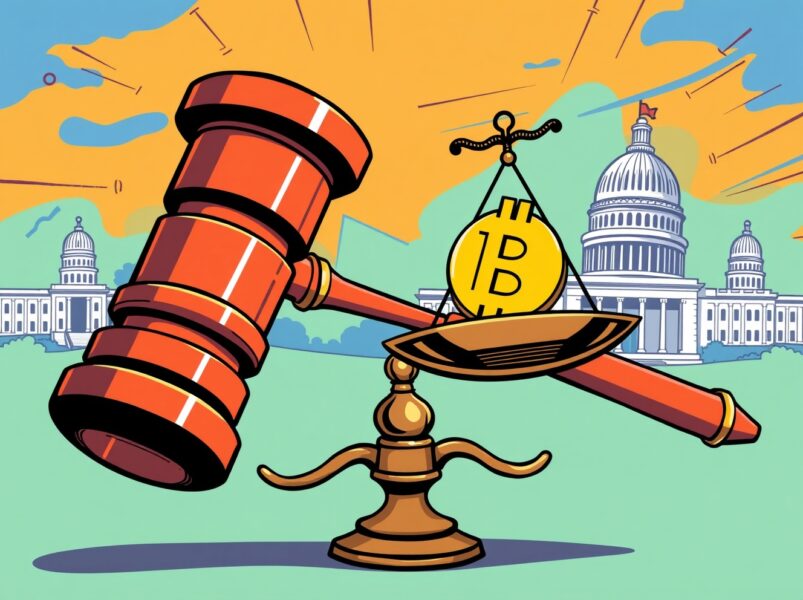
In a bold move that could reshape the future of crypto innovation, Coinbase has launched a legal offensive against three U.S. states. The exchange is challenging their authority to regulate prediction markets, setting the stage for a pivotal conflict between state power and federal oversight. This lawsuit isn’t just about legal technicalities—it’s about who gets to control the emerging world of decentralized finance.
Why is Coinbase suing over prediction markets?
Coinbase filed lawsuits against Connecticut, Michigan, and Illinois because these states attempted to regulate prediction markets under existing gambling laws. Paul Grewal, Coinbase’s Chief Legal Officer, made the company’s position clear on social media platform X. He argued that state governments are overstepping their authority by treating these innovative financial tools as casino games rather than legitimate markets.
The core issue revolves around jurisdiction. Grewal asserts that prediction markets fall exclusively under the Commodity Futures Trading Commission’s (CFTC) regulatory umbrella. This federal agency oversees derivatives markets, including futures and options. Therefore, state gaming commissions should have no say in how these markets operate or who can participate in them.
What exactly are prediction markets in crypto?
Prediction markets allow users to trade contracts based on the outcome of future events. Think of them as financial instruments that let you bet on real-world occurrences using cryptocurrency. For example, you might purchase a contract predicting that a certain candidate will win an election, or that a company’s stock will reach a specific price by a certain date.
These markets serve several important functions:
- Price discovery: They aggregate information from many participants to forecast probabilities
- Risk management: They allow hedging against various outcomes
- Information aggregation: They create collective intelligence about future events
- Innovation testing: They provide data about emerging trends and technologies
Unlike traditional gambling, where outcomes are purely games of chance, prediction markets often involve skill, research, and analysis of real-world information.
The legal battle over prediction markets jurisdiction
This lawsuit represents more than just a regulatory dispute—it’s a fundamental question about how America regulates emerging technologies. Coinbase’s argument rests on the Commodity Exchange Act, which gives the CFTC exclusive jurisdiction over futures contracts and similar instruments.
The states’ position, however, focuses on consumer protection. They argue that prediction markets resemble gambling because participants risk money on uncertain outcomes. State regulators worry about addiction, fraud, and financial harm to vulnerable populations. This creates a classic tension between innovation and protection that courts must now resolve.
Historical context matters here. Similar battles occurred when online poker emerged, with courts struggling to apply old gambling laws to new technologies. The outcome of this case could establish precedent affecting not just prediction markets, but potentially other crypto innovations waiting in the wings.
What’s at stake for crypto innovation?
The implications extend far beyond Coinbase’s immediate legal concerns. If states prevail, innovation could suffer significantly. Companies might hesitate to develop new financial products knowing that 50 different state regulators could impose conflicting rules. This fragmentation would create compliance nightmares and likely push innovation offshore to more welcoming jurisdictions.
Conversely, if Coinbase wins, it could accelerate development in several areas:
- Decentralized prediction platforms could flourish without state interference
- New financial instruments based on event outcomes might emerge
- Research and forecasting tools could become more sophisticated
- Mainstream adoption of crypto for practical purposes beyond speculation
The outcome will signal whether America embraces or resists financial innovation in the digital age.
How will this affect everyday crypto users?
For regular cryptocurrency enthusiasts and investors, this legal battle has practical implications. If states regulate prediction markets as gambling, you might face:
- Geographic restrictions: Services could block users from certain states
- Additional compliance: More identity verification and reporting requirements
- Limited access: Fewer platforms willing to offer these services in the U.S.
- Higher costs: Compliance expenses passed on to users
However, if federal jurisdiction prevails, you’ll likely see more innovation, better products, and clearer rules. The CFTC’s approach would probably focus on market integrity and anti-fraud measures rather than treating participants as gamblers needing protection from themselves.
The path forward for prediction markets regulation
This lawsuit will likely take months or years to resolve, possibly reaching appellate courts or even the Supreme Court. Meanwhile, several developments could influence the outcome:
First, Congress might intervene with new legislation specifically addressing prediction markets and similar crypto innovations. Second, the CFTC could issue clearer guidance about its jurisdiction. Third, other states might join the lawsuit or pass their own laws, creating even more legal complexity.
The most probable scenario involves a negotiated settlement where states agree to defer to federal authority in exchange for certain consumer protections. However, given the strong positions on both sides, a definitive court ruling seems increasingly likely.
Conclusion: A defining moment for crypto’s future
Coinbase’s lawsuit represents a crucial test for cryptocurrency regulation in America. The outcome will determine whether innovative financial tools can develop under coherent federal rules or get bogged down in contradictory state regulations. This isn’t just about prediction markets—it’s about whether America can create a regulatory environment that fosters innovation while protecting consumers.
The battle lines are drawn between state consumer protection concerns and federal market oversight priorities. Whichever side prevails will shape the next decade of financial innovation. For crypto enthusiasts, this legal drama deserves close attention because its resolution will either open doors to new possibilities or reinforce existing barriers.
Frequently Asked Questions
What are prediction markets in simple terms?
Prediction markets are platforms where people can buy and sell contracts based on whether specific future events will happen. They use crowd wisdom to forecast probabilities, similar to how stock markets reflect collective opinions about company values.
Why do states want to regulate them as gambling?
States see prediction markets as gambling because participants risk money on uncertain outcomes. Traditional gambling laws are designed to prevent addiction, fraud, and financial harm, so states apply these existing frameworks to new technologies.
What authority does the CFTC have over prediction markets?
The Commodity Futures Trading Commission regulates futures, options, and derivatives markets in the United States. Since prediction markets involve contracts based on future events, the CFTC claims they fall under its jurisdiction rather than state gambling commissions.
How could this lawsuit affect other crypto services?
The legal precedent could extend beyond prediction markets to other innovative crypto products. If states gain authority here, they might try to regulate decentralized exchanges, lending platforms, or other services under gambling or money transmission laws.
What happens if Coinbase loses the lawsuit?
If Coinbase loses, prediction markets might become unavailable in Connecticut, Michigan, and Illinois. Other states might follow with similar restrictions, potentially leading to a patchwork of regulations that makes offering these services nationally very difficult.
Can I currently use prediction markets on Coinbase?
As of this writing, Coinbase hasn’t launched prediction market services in the United States due to regulatory uncertainty. The lawsuit aims to clear this uncertainty so they can potentially offer these services in the future.
Found this analysis helpful? Share it with fellow crypto enthusiasts on social media to spread awareness about this crucial legal battle that could shape the future of financial innovation. Your shares help educate the community about important regulatory developments affecting our digital economy.
To learn more about the latest cryptocurrency regulatory trends, explore our article on key developments shaping blockchain technology and institutional adoption.
This post Prediction Markets Face Legal Showdown: Coinbase Sues Connecticut and States in Crucial Fight first appeared on BitcoinWorld.
You May Also Like

Over 60% of crypto press releases linked to high-risk or scam projects: Report

ArtGis Finance Partners with MetaXR to Expand its DeFi Offerings in the Metaverse