US Crypto Regulation in 2026: Key Laws, SEC Changes, and What Comes Next
The post US Crypto Regulation in 2026: Key Laws, SEC Changes, and What Comes Next appeared first on Coinpedia Fintech News
After years of regulatory confusion, the US crypto industry enters 2026 with clearer direction than ever before. A mix of legislative deadlines, new rules, and political shifts is beginning to define how digital assets will be regulated, traded, and used across the country.
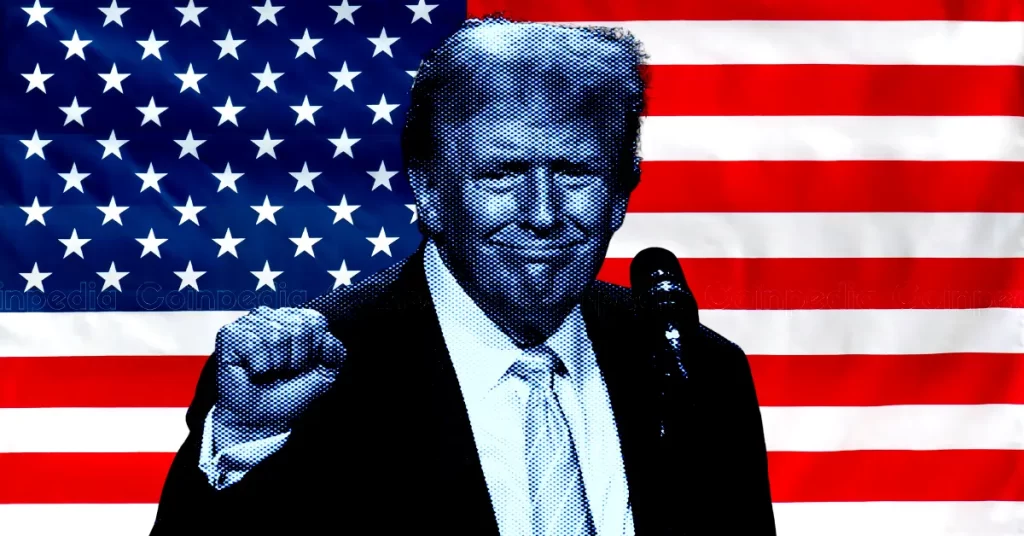
Under President Donald Trump’s second term, Washington has taken a noticeably more supportive stance toward crypto. Industry-friendly regulators are now in key positions, pressure on major crypto firms has eased, and banks finally have clearer approval to offer crypto custody services. Together, these changes have set the stage for what could become a defining year for US crypto policy.
January Could Break the Deadlock
The year opens with strong momentum. In January, the US Senate is expected to restart hearings on long-pending crypto market structure legislation, including the CLARITY Act. The bill is designed to settle the long-running dispute between the SEC and the CFTC by clearly outlining which agency oversees different parts of the crypto market.
White House crypto adviser David Sacks has said the bill is closer to passage than at any point in the past. If approved early in 2026, attention would quickly turn to how regulators implement the rules, shifting the focus from political debate to real-world compliance.
January may also bring a major change from the Securities and Exchange Commission. SEC Chair Paul Atkins has pledged to introduce an “innovation exemption,” allowing crypto startups to test new products under lighter requirements while meeting basic consumer protection standards. This could reduce legal delays that have slowed product launches for years.
Stablecoin Rules and Crypto Tax Changes Take Shape
Stablecoin regulation will be another major focus. The GENIUS Act, passed in 2025, created a federal framework for payment stablecoins, but many of its details still depend on follow-up rules. Regulators are expected to finalize licensing, custody, capital, and compliance requirements by mid-2026, which could reshape how dollar-backed stablecoins operate in the US.
Crypto tax rules are also under review. Lawmakers are working on proposals to reduce tax friction around staking rewards, crypto lending, and small everyday payments. Ideas on the table include de minimis exemptions for stablecoin transactions and clearer guidance on how lending income is taxed, with progress expected by late summer.
- Also Read :
- What CARF’s New Crypto Tax Tracking Rules Mean for Investors
- ,
Federal and State Actions Add Momentum
Wider economic policy could also influence crypto markets. Federal Reserve Chair Jerome Powell’s term ends in May, and President Trump is expected to appoint a successor more open to interest rate cuts. A softer rate environment could benefit risk assets like Bitcoin and other cryptocurrencies, although inflation remains a concern.
At the state level, regulatory activity is increasing. California’s Digital Financial Assets Law comes into force on July 1, requiring crypto companies serving state residents to obtain licenses. At the same time, states such as Texas are advancing Bitcoin reserve plans, pointing to growing government involvement in digital assets.
Midterm Elections Remain a Key Risk
The biggest unknown arrives in November. US midterm elections could reshape Congress and determine whether current crypto legislation keeps moving forward. While bipartisan support for digital asset regulation has improved, a shift in political control could delay or weaken unfinished reforms.
For now, 2026 stands out as the year when US crypto regulation moves from discussion to execution—bringing lasting changes to how the industry operates, grows, and earns trust.
Never Miss a Beat in the Crypto World!
Stay ahead with breaking news, expert analysis, and real-time updates on the latest trends in Bitcoin, altcoins, DeFi, NFTs, and more.
 Subscribe to News
FAQs
More defined jurisdiction could reduce overlapping investigations and sudden lawsuits, replacing them with rule-based supervision. This may shift enforcement toward clear violations rather than disputes over regulatory authority.
As agencies move from policy debates to execution, product launches may speed up but become more standardized. Startups could gain faster approval paths, while experimental features may face stricter operational requirements.
Users may notice changes in platform terms, custody options, or payment features as firms align with finalized rules. These adjustments could affect access, fees, and how digital assets are held or transferred.
You May Also Like

Cashing In On University Patents Means Giving Up On Our Innovation Future

VIRTUAL Bearish Analysis Feb 10