

CES 2026 Unveils the Stunning Future: Nvidia’s AI Dominance, AMD’s Power Play, and a Robot-Filled Reality
BitcoinWorld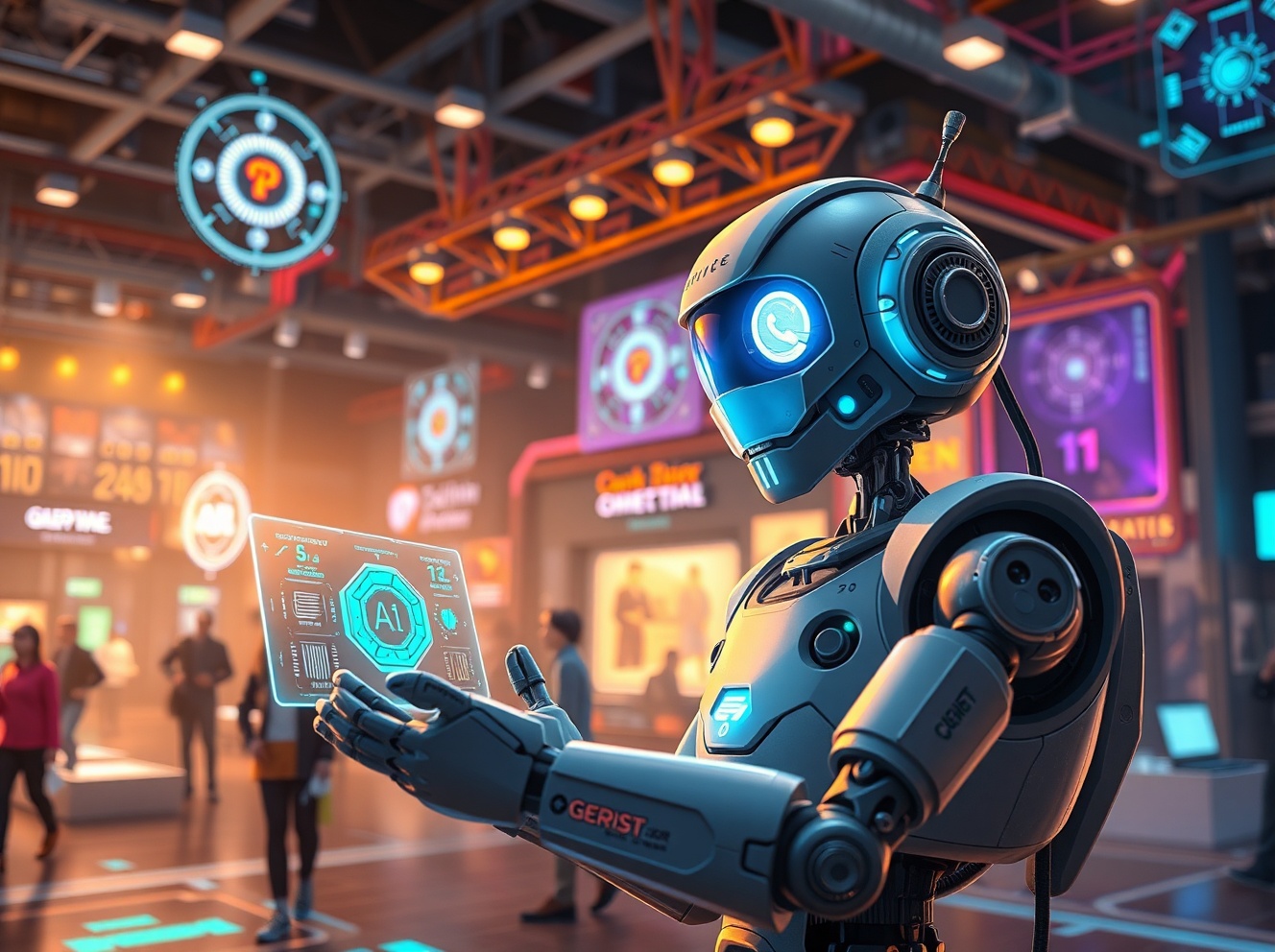
CES 2026 Unveils the Stunning Future: Nvidia’s AI Dominance, AMD’s Power Play, and a Robot-Filled Reality
LAS VEGAS, January 2026 – The Consumer Electronics Show (CES) 2026 has concluded, leaving the tech industry with a clear roadmap for the year ahead. This year’s event, held in Las Vegas, solidified artificial intelligence’s transition from a digital phenomenon to a physical, integrated force. Major announcements from industry titans like Nvidia and AMD dominated headlines, while a surge in robotics and AI-powered consumer gadgets signaled a pivotal shift in how technology will interact with the physical world. The focus keyword, CES 2026, represents not just a trade show but a definitive moment for embedded intelligence.
CES 2026: The Dawn of Physical AI and Robotics
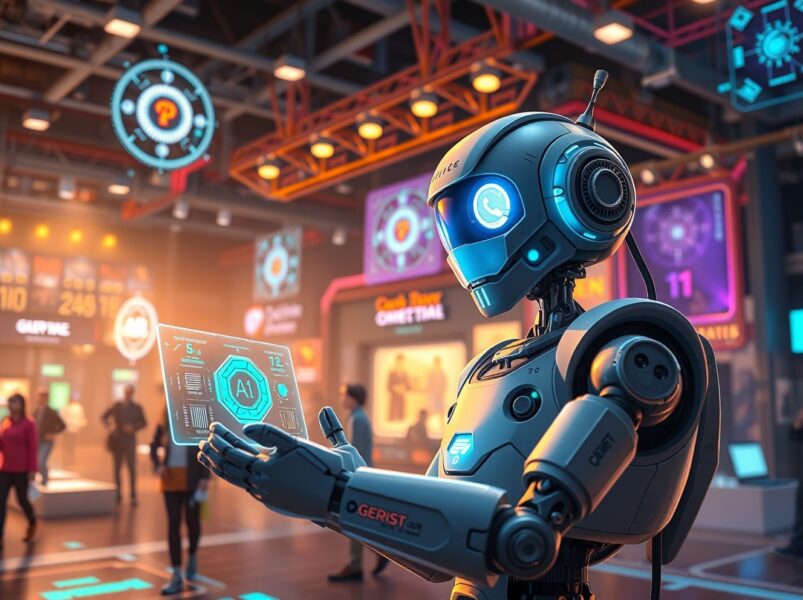
The overarching theme of CES 2026 was unmistakably the rise of “Physical AI.” This term, which replaced last year’s buzz around “Agentic AI,” refers to artificial intelligence systems that directly control, interact with, and navigate the real world. Consequently, the show floor was saturated with demonstrations of this trend. Robots of all shapes and sizes performed tasks, from domestic chores to complex construction maneuvers. This tangible focus marks a significant evolution from software-only AI models to systems with real-world agency and utility. The shift indicates that the industry is moving beyond conversational chatbots and image generators toward intelligent systems that can manipulate our environment.
The Hardware Foundation for an AI-Driven World
Underpinning this physical AI revolution were substantial hardware announcements. Companies are racing to build the computational backbone required for these advanced systems. This requires not just raw processing power but also new architectures designed for the specific demands of real-time environmental interaction and decision-making. The announcements at CES 2026 provided critical insights into the silicon and systems that will power the next generation of smart devices, autonomous vehicles, and industrial machines. The progress shown suggests a rapid acceleration in the capabilities and affordability of AI-optimized hardware.
Nvidia’s CES 2026 Strategy: From Data Centers to Driveways
Nvidia CEO Jensen Huang’s keynote presentation served as a central pillar of CES 2026. The company leveraged its dominant position in AI training chips to chart an ambitious course into new markets. A major reveal was the upcoming Rubin computing architecture, slated to begin replacing the current Blackwell architecture in the second half of 2026. Industry analysts note that Rubin is engineered to handle the exponentially growing computational loads from more complex AI models, particularly those involved in simulation and robotics. It promises significant upgrades in processing speed and data storage efficiency, which are critical for real-time applications.
Furthermore, Nvidia aggressively pushed its vision for an AI-powered physical world. The company showcased its Alpamayo family of open-source AI models, specifically designed for autonomous vehicles. This move, as noted by industry observers, parallels a broader strategy to establish Nvidia’s platform as a universal standard—an “Android for robots.” In a significant partnership announcement, Nvidia and heavy equipment manufacturer Caterpillar unveiled a pilot “Cat AI Assistant” for excavators. This system, demonstrated on the CES show floor, combines on-board AI with Nvidia’s Omniverse simulation platform for construction planning, showcasing a direct industrial application of the technology.
Key Nvidia Announcements at CES 2026| Initiative | Description | Target Market |
|---|---|---|
| Rubin Architecture | Next-gen AI computing platform for 2026 | Data Centers, AI Research |
| Alpamayo AI Models | Open-source models for autonomous navigation | Automotive, Robotics |
| Caterpillar Partnership | AI assistant for excavators & construction simulation | Industrial Automation |
AMD Expands the AI Frontier to Personal Computing
AMD Chair and CEO Lisa Su delivered the first keynote of CES 2026, focusing on democratizing AI access. The company’s strategy centers on bringing advanced AI capabilities directly to personal computers. The highlight was the detailed unveiling of the Ryzen AI 400 Series processors. These chips are specifically designed to run powerful AI models locally on a PC, reducing reliance on cloud services and improving response times for AI-assisted features. This approach aims to make AI a seamless part of the everyday computing experience, from enhanced creativity apps to real-time productivity assistants.
AMD’s presentation emphasized collaboration, featuring appearances by leaders from OpenAI, Luma AI, and AI pioneer Fei-Fei Li. These partnerships are intended to showcase a robust software ecosystem ready to leverage AMD’s new hardware. The company’s focus at CES 2026 was clear: to capture a significant share of the “AI PC” market by providing the necessary silicon that makes on-device AI processing fast, efficient, and ubiquitous.
Robotics and Oddities: The Soul of CES 2026
Beyond the major keynotes, the character of CES 2026 was defined by its diverse array of robotics demos and quirky innovations. The show has long been a venue for both visionary concepts and curious gadgets, and this year was no exception.
- Boston Dynamics & Google: In a notable collaboration, Hyundai’s Boston Dynamics and Google’s AI research lab announced a partnership to train and operate Atlas humanoid robots using advanced AI. A new iteration of the Atlas robot was revealed on stage, pointing toward a future of more dexterous and intelligent humanoid machines.
- LG’s CLOiD Home Robot: LG’s home helper robot made its debut, though early hands-on impressions reported by journalists noted its movements were slow and deliberate, highlighting the ongoing challenges in making domestic robotics fluid and practical.
- Razer’s AI Projects: The gaming peripherals maker ventured beyond hardware with two AI concepts: Project Motoko, a glasses-free augmented reality system, and Project AVA, an AI companion avatar designed to sit on a user’s desk.
- Legos Smart Bricks: Lego made its first CES appearance to preview a “Smart Play System” with interactive, sensor-equipped bricks and Minifigures that can produce sounds, blending physical play with digital interaction.
Consumer AI and Assistants Mature
The integration of AI into consumer products reached new levels of maturity at CES 2026. Ford announced an AI-powered assistant, set to launch in its mobile app ahead of a 2027 vehicle integration. Amazon expanded its Alexa+ ecosystem with a new web interface and continued to integrate AI deeper into Fire TV and its Artline televisions. Furthermore, companies like Eufy demonstrated increased accessibility for prosumer tech, such as a $2,299 UV printer for customizing objects. These trends collectively show AI becoming a standard, expected feature across product categories rather than a novelty.
Conclusion: The Tangible Impact of CES 2026
CES 2026 will be remembered as the event where artificial intelligence became tangible. The transition from theoretical models and cloud-based chatbots to physical systems that can see, navigate, and manipulate the real world was the dominant narrative. Announcements from Nvidia and AMD provided the essential hardware foundation, while demonstrations from a wide array of companies showcased the potential applications. From autonomous construction sites and smarter vehicles to interactive toys and home assistants, the technologies unveiled at CES 2026 are poised to redefine multiple industries. The show confirmed that the future of consumer technology is not just connected, but actively intelligent and embedded in our physical reality.
FAQs
Q1: What was the biggest trend at CES 2026?
The biggest trend was “Physical AI,” which refers to artificial intelligence systems that interact with and control the physical world, prominently showcased through advanced robotics and autonomous vehicle technology.
Q2: What did Nvidia announce at CES 2026?
Nvidia announced its next-generation Rubin AI computing architecture, new Alpamayo AI models for autonomous vehicles, and a partnership with Caterpillar for AI-assisted construction equipment.
Q3: How is AMD approaching AI differently?
AMD is focusing on bringing AI processing directly to personal computers with its Ryzen AI 400 Series processors, enabling powerful AI features to run locally on a device without constant cloud connectivity.
Q4: Were there any unusual products at CES 2026?
Yes, notable oddities included Razer’s Project AVA (an AI companion avatar), Lego’s interactive Smart Bricks, and the Clicks Communicator phone with a physical keyboard, hearkening back to BlackBerry designs.
Q5: What does CES 2026 indicate for the future of robotics?
CES 2026 indicated a significant acceleration in practical robotics, with major partnerships like Boston Dynamics and Google, and a focus on applying AI to make robots more useful in homes, industries, and construction.
This post CES 2026 Unveils the Stunning Future: Nvidia’s AI Dominance, AMD’s Power Play, and a Robot-Filled Reality first appeared on BitcoinWorld.
You May Also Like

The Countdown is Real! Only 3.4B BlockDAG Coins Left as ZCash & XRP Revisit Old Peaks

Why BlockDAG is Outpacing Shiba Inu & Tron in the Race to Explode!
