

How SpacePay Earned Its Spot as the Top Underpriced Altcoin of 2025

Cryptos come and go, but every now and then, one catches attention for actually solving problems people face every day. SpacePay, a London-based fintech startup, lets businesses accept crypto payments through their existing card machines without buying new equipment.
The project has pulled in over $1.1 million during its presale, with $SPY tokens selling for $0.003181 each. With numbers like these and a practical use case, it’s worth taking a closer look at why SpacePay might be flying under the radar.
SpacePay Tackles Real Payment Headaches
Anyone who’s tried to pay with crypto at a physical store knows the struggle. Most merchants won’t accept it because of price swings and complicated setup processes. SpacePay figured out a way around these issues that actually makes sense.
Here’s how it works: customers can pay using any of 325 different crypto wallets, but merchants get paid instantly in regular money. No waiting around wondering if Bitcoin will crash before the payment clears. The system only charges 0.5% in fees, which beats what most credit card processors demand.
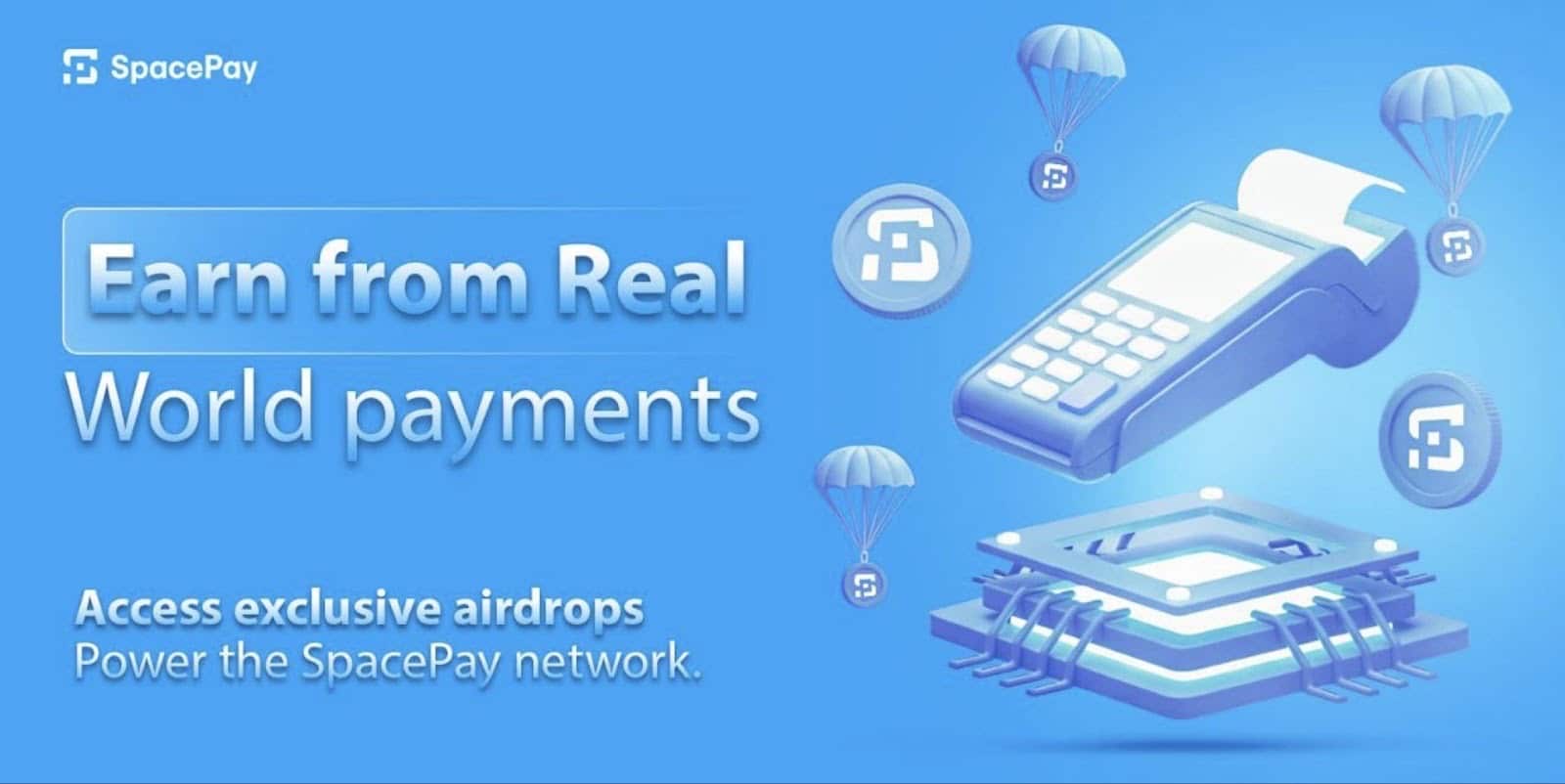
The really smart part is how SpacePay plugs into the card machines businesses already have. Instead of asking shop owners to learn new systems or buy expensive equipment, it works with their existing Android-based terminals through a simple software update.
A coffee shop owner can start accepting crypto payments tomorrow without changing anything about how they normally operate.
Why the $SPY Token Actually Matters
Most crypto projects create tokens just because they can. SpacePay’s $SPY token serves actual purposes that benefit holders in concrete ways. $SPY holders can vote on important platform choices, which gives them a say in where the project heads next.
What makes $SPY different is that holders get a cut of the profits. When SpacePay makes money, token holders get a cut. It’s like owning a tiny piece of the business that pays dividends. Monthly airdrops reward active community members, and early access to new features gives holders first dibs on platform updates.
The token economics make sense too. Out of 34 billion total tokens, 20% goes to public sale, 17% rewards users, and the rest gets divided between development, partnerships, and marketing. This setup ensures the project has enough resources to grow while keeping the community involved.
Visit SpacePay Presale
SpacePay’s Position as Top Underpriced Altcoin of 2025
Several things make SpacePay stand out in a crowded field of crypto projects. First, it already works. While other projects promise future solutions, SpacePay has built a working product that businesses can use today. The team also focuses on following regulations, which builds trust with merchants who worry about legal issues.
The market opportunity is huge. Over 400 million people worldwide use cryptocurrency, and that number keeps growing. SpacePay positions itself to capture this demand by making crypto payments as easy as swiping a credit card.
At $0.003181 per token, $SPY trades at early-stage prices before most people know about it. The presale uses a tiered pricing system where costs increase at each stage. It rewards early supporters with better deals. This approach has already worked well, which brings in over $1.1 million from investors who see the potential.
Technical Solutions That Work
What sets SpacePay apart isn’t flashy marketing or complicated tech jargon – it’s building something that actually works. The team built strong security features and real-time monitoring without making it feel like rocket science. They chose decentralized systems because nobody wants their payment processor going down when they need it most.
Getting SpacePay to work with existing card machines wasn’t easy. Most crypto payment companies expect merchants to throw out their current setup and start from scratch. SpacePay’s developers spent months figuring out how to plug into what’s already there. The result? Shop owners can accept crypto without learning new systems or confusing their staff.
Customers can pay with popular coins like ETH, BNB, MATIC, and USDT, but merchants don’t have to worry about which one they’re getting. Everything converts to regular money instantly. When Bitcoin has a bad day, the bakery down the street still gets exactly what they expected for that morning coffee.
How to Join the SpacePay Presale
Anyone curious about SpacePay can jump into the presale without much hassle. The process works whether you’re already into crypto or just getting started. Crypto users can pay with ETH, BNB, USDT, or several other options. Those new to digital currencies can use their bank cards instead.
The steps are pretty simple: head to SpacePay’s website, connect your wallet (or use your card), choose how much you want to spend, and you’re done.
JOIN THE SPACEPAY ($SPY) PRESALE NOW
Website | (X) Twitter | Telegram
The post How SpacePay Earned Its Spot as the Top Underpriced Altcoin of 2025 appeared first on 99Bitcoins.
You May Also Like

Securities Fraud Investigation Into Corcept Therapeutics Incorporated (CORT) Announced – Shareholders Who Lost Money Urged To Contact Glancy Prongay Wolke & Rotter LLP, a Leading Securities Fraud Law Firm
Over 80% of 135 Ethereum L2s record below 1 user operation per second
