

Vitalik Sparks Controversy, Claims L2s on Ethereum “No Longer Makes Sense”
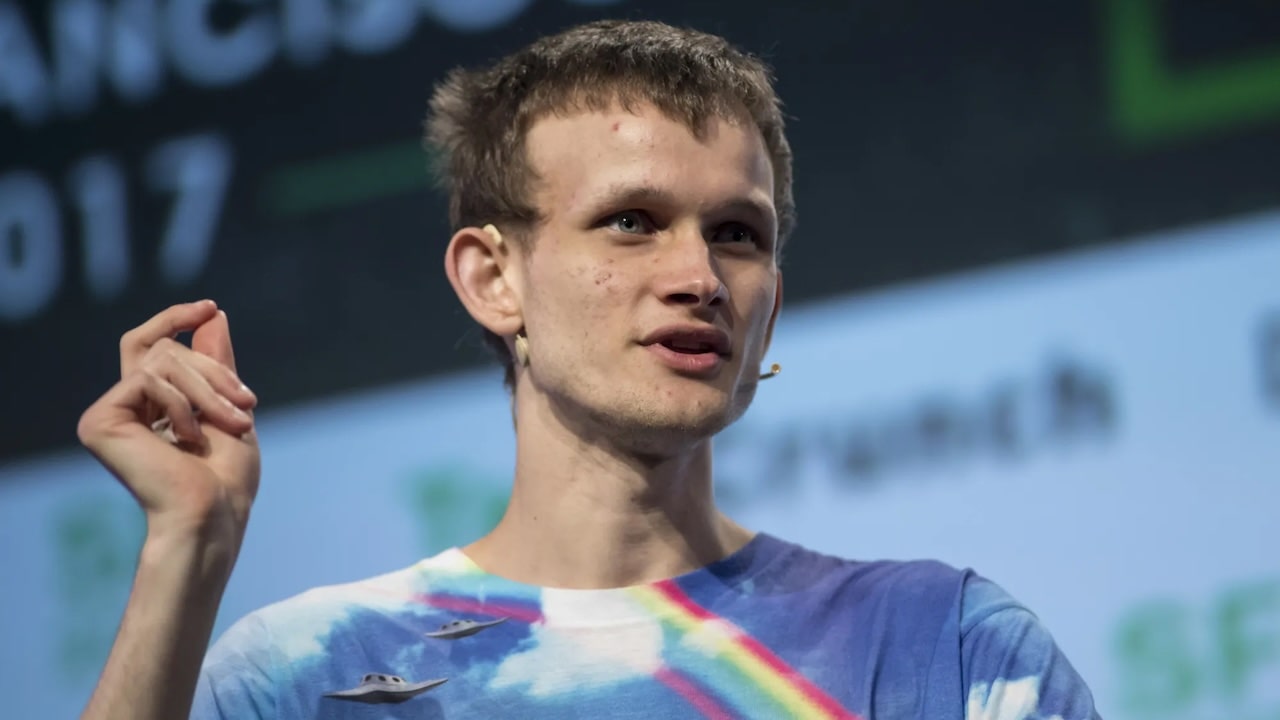
Ethereum’s founder, Vitalik Buterin, has sparked a major debate on the relevance of Ethereum Layer 2 (L2) networks to the base layer. He stated that the network’s original rollup-centric scaling vision is no longer realistic.
In an X post, Buterin argued that Ethereum’s scaling landscape has changed since he introduced the rollup-centric roadmap for the network back in 2020. According to him, these recent developments have rendered current Ethereum L2 models irrelevant.
Ethereum Rethinks the Role of L2s
One major reason Buterin pointed out is that L2s have struggled to reach higher levels of decentralization, especially Stage 2. He also noted that interoperability progress on these networks is slower than expected. For context, Stage 2 is the final stage of the three stages of rollup security proposed by Buterin.
In Stage 0, the rollup is fully centralized, with the security council possessing the power to override the system. In Stage 1, the rollup transitions to enhanced governance through smart contracts. However, it still retains a security council to address potential bugs.
Stage 2 is where the rollup becomes a fully decentralized and permissionless system, completely managed by smart contracts. However, while most Ethereum L2s, including Arbitrum, are working on transitioning to Stage 2, the progress is slower than expected.
The second reason that Buterin pointed out is that the Ethereum Layer 1 itself is already scaling effectively. He noted that transaction fees are currently low and gas limits are expected to increase in the coming months. Notably, following the Fusaka upgrade, Ethereum’s gas limit surged to 60 million in November 2025.
According to Buterin, the original purpose of Ethereum L2s was to expand block space while retaining Ethereum’s full security guarantees. He argued that L2s that rely on multisig bridges or centralized control do not meet this requirement and should not be regarded as “branded shards” of Ethereum.
Notably, most L2s are either technically unable to meet these standards or limited by their customers’ regulatory requirements.
A New Path for L2s
Buterin suggested a shift in the way L2s are treated. Rather than being viewed as extensions of Ethereum’s base layer, L2s should be treated as a diverse chain of networks with different levels of connection to the base layer, each optimised for different tradeoffs.
Additionally, since the Ethereum base layer is already scaling, Buterin urged developers to focus on adding a unique value to the network. He suggested considering options like privacy built-in oracles, and AI. For L2s that decide to stick to scaling, they must scale Ethereum far beyond the limits of the base layer to be considered relevant.
The post Vitalik Sparks Controversy, Claims L2s on Ethereum “No Longer Makes Sense” appeared first on CoinTab News.
You May Also Like

Paxos launches new startup to help institutions offer DeFi products

Forward Industries Bets Big on Solana With $4B Capital Plan
