Crypto Fear and Greed Index Dips Back to Extreme Fear Levels
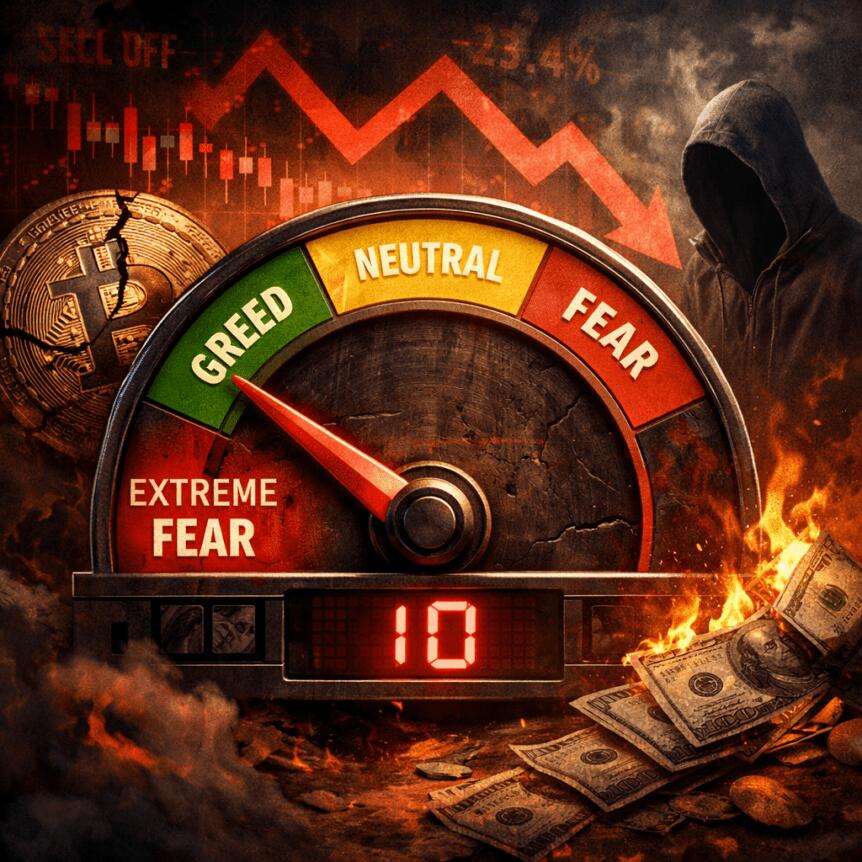
Bitcoin (CRYPTO: BTC) and the broader crypto ecosystem are navigating a fresh wave of risk aversion as the Crypto Fear and Greed Index retreats to extreme fear territory. The gauge sits at 18, down from 20 on Friday, after a brief midweek uptick to 25 before sentiment cooled again amid escalating geopolitical frictions and macro uncertainty. The retreat underscores a phase of cautious trading, with liquidity tightening and volatility increasing as investors weigh a bear market that has stretched since late 2025. While BTC has faced a severe downdraft, the broader altcoin sector has suffered disproportionately, highlighting a liquidity squeeze that has yet to fully reverse.
Key takeaways
- The Crypto Fear and Greed Index is at 18, signaling “extreme fear,” after a transient bounce to 25 earlier in the week, reflecting a fragile risk appetite among market participants.
- Around 38% of altcoins are hovering near all-time low prices, with CryptoQuant data indicating roughly a 50% decline in overall trading volume alongside price erosion across the sector.
- BTC remains emblematic of the downturn, with the bear market taking hold since October 2025 and BTC’s price down more than half from its all-time high, while the altcoin market has erased hundreds of billions in value.
- Public interest in crypto sentiment has waned, evidenced by a surge in searches such as “Bitcoin going to zero” on Google Trends, signaling waning investor confidence amid macro and geopolitical headwinds.
- Liquidity and sentiment fragility persist as geopolitical tensions and macro uncertainties continue to weigh on risk assets, including digital currencies.
Tickers mentioned: $BTC
Sentiment: Bearish
Price impact: Negative. The combined effect of souring sentiment and liquidity strains has pressured Bitcoin and the broader altcoin market, contributing to continued price declines.
Trading idea (Not Financial Advice): Hold. Given the breadth of macro and geopolitical headwinds, traders may prefer patience until there are clearer signs of demand returning or a stabilization in liquidity conditions.
Market context: The sentiment drag sits against a backdrop of thinning liquidity and cautious risk-off behavior that has characterized crypto markets since late 2025. Geopolitical frictions and macro policy considerations—such as rate expectations and debt dynamics—have restrained appetite for risk assets, amplifying drawdowns in both BTC and altcoins.
Why it matters
The current mood matters because sentiment indicators often precede tangible shifts in trading behavior and liquidity. When the Fear and Greed Index registers extreme fear, it tends to reflect caution among retail and professional participants alike, potentially delaying bottoming processes and extending drawdowns if macro headlines intensify. The data suggests that buyers remain scarce even as some traders watch for any technical or fundamental catalyst that could rekindle demand.
Liquidity dynamics are particularly telling. CryptoQuant’s take—highlighting that altcoins are disproportionately affected and that overall trading volume has contracted by roughly half—points to a market where capital is increasingly concentrated in the largest assets and a few high-conviction bets. In a phase where liquidity governs price formation, thinner order books can exacerbate volatility and lead to sharper declines on adverse headlines. This pattern aligns with social sentiment metrics that show altcoin interest at multi-year lows, which secondaries often interpret as a sign of capital flight from riskier corners of the market.
Meanwhile, the public’s interest in crypto has cooled, as evidenced by Google Trends data showing a spike in searches for “Bitcoin going to zero.” Such behavior mirrors a broader risk-off environment: when the public narrative turns skeptical, both liquidity inflows and risk-taking capacity tend to retreat, making rallies harder to sustain without a clear macro or sector-specific catalyst. These trends underscore the importance of context when evaluating the market’s next moves—macro relief, regulatory clarity, or a shift in geopolitical dynamics could alter the balance between risk and reward for market participants.
What to watch next
- Monitor the Fear and Greed Index for a potential material shift away from extreme fear, signaling a thaw in risk appetite.
- Observe BTC price action and key support levels for possible technical breakouts or breakdowns, in concert with macro data releases and policy signals.
- Track altcoin liquidity and on-chain activity, paying attention to whether the nearly 50% drop in trading volume begins to reverse as risk sentiment improves.
- Keep an eye on geopolitical developments and macro indicators that influence rate expectations, liquidity, and global risk sentiment.
- Watch social and search trends for any renewed interest in Bitcoin or altcoins that could foreshadow a risk-on rally or a renewed round of capital inflows.
Sources & verification
- CoinMarketCap: Fear & Greed Index page (https://coinmarketcap.com/charts/fear-and-greed-index/)
- CryptoQuant data via public posts (e.g., liquidity and altcoin price/volume observations) including the cited post (https://x.com/cryptoquant_com/status/2028740883588243868/photo/1)
- Google Trends data on searches for “Bitcoin going to zero” (https://trends.google.com/explore?q=Bitcoin%20going%20to%20zero&date=today%205-y&geo=Worldwide)
- Cointelegraph coverage referenced in the original report, including market sentiment and price-action pieces (e.g., https://cointelegraph.com/explained/what-is-the-crypto-fear-and-greed-index, https://cointelegraph.com/news/bitcoin-drops-back-record-fear-levels-as-it-wipes-weekend-gains, https://cointelegraph.com/news/38-altcoins-near-all-time-lows)
Market mood and the liquidity squeeze: what the latest data show
The latest readings underline a market that remains structurally fragile. The Bear Market narrative—from the October 2025 decline that shaved more than half from Bitcoin’s price to the subsequent erosion in altcoin value—has left a lasting imprint on investor psychology. Even with occasional micro-recoveries, the aggregate appetite for risk has not yet returned to levels that would sustain a broad-based rally. As long as geopolitical tensions persist and macro conditions remain unsettled, liquidity will likely stay a key driver of price action for both Bitcoin and the altcoin universe.
The data also remind readers that sentiment indicators are not merely cyclical curiosities; they can act as early warning signals for shifts in capital allocation. If risk-on dynamics begin to re-enter markets—through improved macro clarity, favorable regulatory developments, or concrete ETF-related flows—the Fear and Greed Index could move away from the current extreme fear reading, potentially unlocking a new phase of demand. Until then, market participants should prepare for continued volatility, with a focus on risk controls, diversification, and a disciplined approach to liquidity management.
This article was originally published as Crypto Fear and Greed Index Dips Back to Extreme Fear Levels on Crypto Breaking News – your trusted source for crypto news, Bitcoin news, and blockchain updates.
You May Also Like

Solana Price Prediction Stuck at $85 While Pepeto Presale Delivers What Solana Holders Have Been Waiting For