

Trump Iran Deal Pressure Intensifies After Shocking Bridge Strike Video Emerges
BitcoinWorld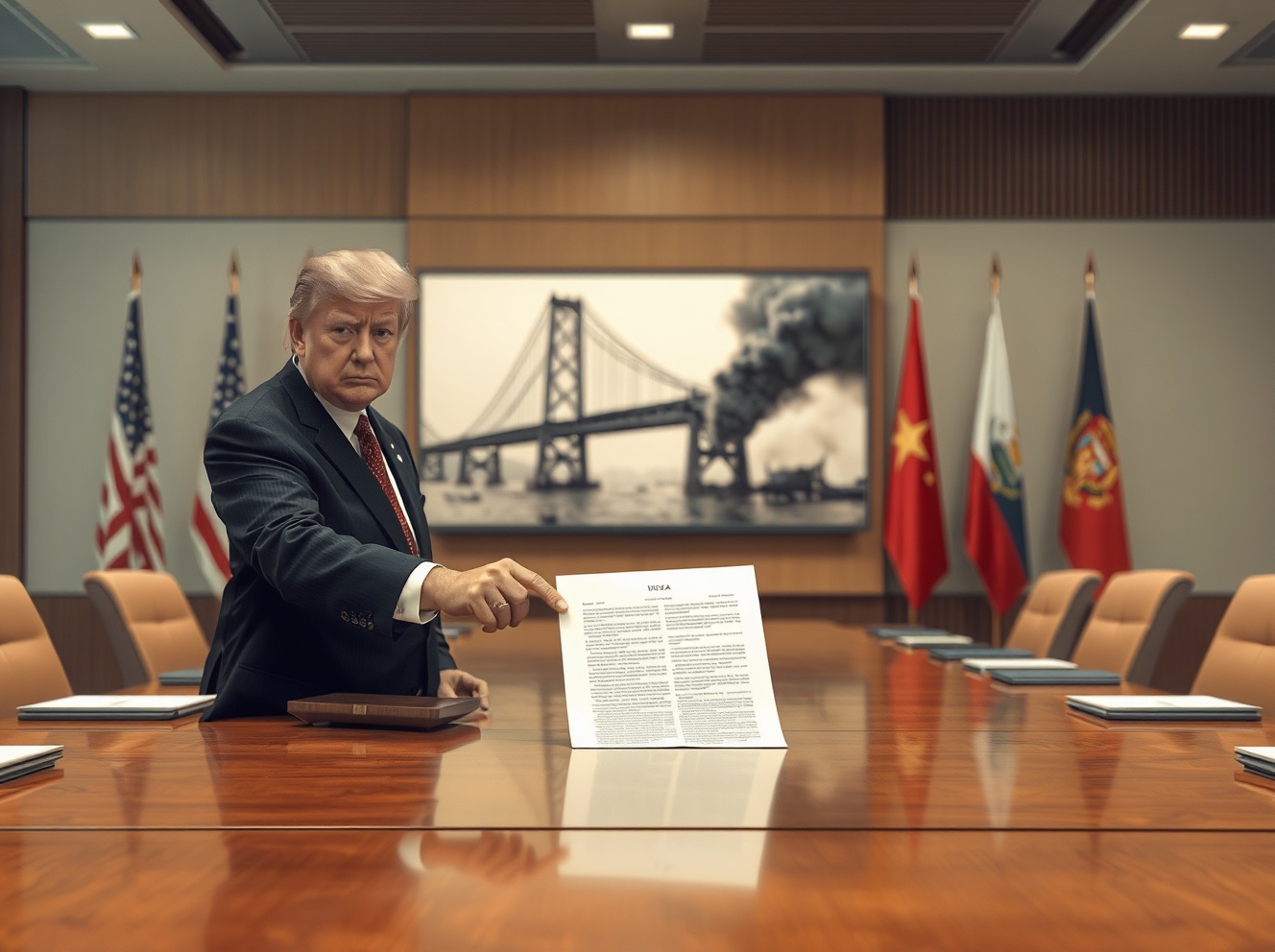
Trump Iran Deal Pressure Intensifies After Shocking Bridge Strike Video Emerges
WASHINGTON, D.C. – March 15, 2025 – President Donald Trump has dramatically increased pressure on Iran to return to negotiation tables following the emergence of video evidence showing a recent bridge strike in the Middle East. This development marks a significant escalation in ongoing diplomatic tensions between the United States and Iran, potentially reshaping regional security dynamics. The administration’s renewed push for a comprehensive deal comes amid heightened concerns about regional stability and nuclear proliferation.
Trump Iran Deal Pressure Following Bridge Strike Evidence
The White House confirmed President Trump’s direct appeal to Iranian leadership yesterday. Consequently, administration officials released a statement emphasizing the urgency of renewed negotiations. The bridge strike video, verified by multiple intelligence sources, shows significant damage to critical infrastructure connecting key regions. Furthermore, analysts suggest this incident demonstrates escalating proxy conflicts in the area.
Historical context reveals this isn’t the first infrastructure attack in recent months. However, the visual evidence provides unprecedented clarity about the strike’s magnitude. The administration now leverages this video as diplomatic leverage. Meanwhile, Secretary of State Mike Pompeo reinforced the president’s message during a press briefing at the State Department.
Geopolitical Context and Regional Implications
Middle East tensions have simmered for years, particularly since the US withdrawal from the JCPOA in 2018. Regional powers continue navigating complex alliances and conflicts. The bridge strike specifically threatens vital trade routes and humanitarian corridors. Additionally, it risks broader military escalation between various state and non-state actors.
Recent regional developments include:
- Increased naval patrols in strategic waterways
- Enhanced missile defense systems deployment by Gulf states
- Diplomatic shuttle diplomacy by European mediators
- Economic pressure campaigns affecting regional economies
Regional experts warn about potential ripple effects. For instance, energy markets already show volatility following the incident. Shipping insurance premiums have increased by 15% along affected routes. Moreover, neighboring countries have heightened security alerts at border crossings.
Expert Analysis of Diplomatic Strategy
Dr. Sarah Chen, senior fellow at the Center for Strategic Studies, explains the administration’s approach. “The video evidence creates a tangible reference point for negotiations,” she states. “Previously, discussions relied on intelligence reports and satellite imagery. Now, visual documentation changes the diplomatic calculus significantly.”
Chen continues, “This strategy follows historical patterns of using verified incidents to build international consensus. However, the success depends on Iran’s willingness to engage amid domestic political considerations.” Her analysis references similar diplomatic maneuvers during previous administrations.
Historical Framework of US-Iran Relations
US-Iran negotiations have experienced multiple cycles of engagement and disengagement since 1979. The following timeline highlights key moments:
| Year | Event | Outcome |
|---|---|---|
| 2015 | JCPOA signed | Comprehensive nuclear agreement |
| 2018 | US withdrawal | Renewed sanctions imposition |
| 2020 | Maximum pressure campaign | Economic isolation of Iran |
| 2023 | Indirect talks resume | Limited prisoner exchange |
| 2024 | Regional de-escalation talks | Temporary ceasefire agreements |
Each phase produced distinct outcomes and lessons. Currently, the bridge strike video introduces new variables. Previous negotiations often stalled over verification mechanisms. Now, visual evidence may address some verification concerns. Nevertheless, core disagreements about sanctions relief and nuclear capabilities persist.
Economic and Security Considerations
The bridge strike directly impacts regional economies. Critical supply chains face disruption across multiple sectors. Agricultural shipments experience particular delays. Meanwhile, reconstruction costs will likely exceed $200 million according to preliminary estimates.
Security implications extend beyond immediate damage. Military analysts note potential shifts in regional power dynamics. Consequently, defense spending increases appear likely among neighboring states. The United States already maintains significant military assets in the region. These assets provide both deterrent and response capabilities.
Energy markets monitor the situation closely. Oil prices fluctuated following the video’s release. However, strategic reserves help stabilize global supplies. Major producers increased output to compensate for potential disruptions. These measures prevent severe market shocks despite the incident’s severity.
International Response and Coalition Building
European allies express cautious support for renewed negotiations. French President Emmanuel Macron emphasized diplomatic solutions during yesterday’s EU summit. Similarly, German Chancellor Olaf Scholz called for multilateral engagement. Both leaders advocate for dialogue while condemning the bridge attack.
Regional partners maintain more complex positions. Saudi Arabia and Israel support pressure on Iran but differ on negotiation terms. Meanwhile, Qatar and Oman offer mediation channels. These diplomatic variations create both challenges and opportunities for US strategy. The administration must navigate these differing perspectives carefully.
Potential Pathways Forward
Several scenarios could emerge from current developments. First, Iran might accept preliminary talks through intermediaries. Second, they could reject engagement and escalate regional activities. Third, a phased approach might begin with confidence-building measures.
Key considerations include:
- Verification protocols for future agreements
- Sanctions relief sequencing and timing
- Regional security guarantees for all parties
- Economic cooperation frameworks beyond nuclear issues
Each pathway carries distinct risks and rewards. Successful negotiations require addressing both immediate concerns and long-term stability. The bridge strike video now serves as a catalyst rather than merely an incident. Its diplomatic utility depends on how all parties choose to utilize this evidence.
Conclusion
President Trump’s pressure for a Trump Iran deal intensifies significantly following the bridge strike video emergence. This visual evidence transforms diplomatic calculations and regional security assessments. Historical context reveals patterns in US-Iran negotiations, while current developments suggest potential inflection points. The administration’s strategy leverages this incident to build international consensus for renewed engagement. Ultimately, regional stability and global security interests depend on careful diplomatic navigation in coming weeks. All parties must balance firm positions with pragmatic solutions to prevent further escalation.
FAQs
Q1: What does the bridge strike video show exactly?
The verified footage shows significant structural damage to a critical regional bridge, with visible impact points and subsequent smoke. Intelligence analysts confirm the attack occurred three days before the video’s public release.
Q2: How does this affect ongoing nuclear negotiations?
The video provides tangible evidence that strengthens calls for comprehensive security agreements. Negotiators may incorporate verification mechanisms based on this type of evidence in future deals.
Q3: What are Iran’s likely responses to this pressure?
Iran could pursue several paths: engage in preliminary talks, reject pressure entirely, or escalate regional activities. Their response will depend on domestic political calculations and regional alliance considerations.
Q4: How are regional allies reacting to this development?
Gulf states express cautious support for diplomatic pressure while advocating for their security interests. European allies emphasize multilateral solutions and conflict de-escalation through established channels.
Q5: What historical precedents exist for this type of diplomatic maneuver?
Previous administrations have used verified incidents to build international consensus, including during the Iran-Contra affair and various Middle East peace processes. Visual evidence often changes diplomatic dynamics significantly.
This post Trump Iran Deal Pressure Intensifies After Shocking Bridge Strike Video Emerges first appeared on BitcoinWorld.


Ayrıca Şunları da Beğenebilirsiniz

Disgraced comedian returns to mainstream after admitting to sexual misconduct

Circle Reveals Wrapped Bitcoin Product With Real-Time Onchain Reserve Verification – Crypto News Bitcoin News



