The post Germany Seeks Flexible EU Rules for Combustion Engines Beyond 2035 Deadline appeared on BitcoinEthereumNews.com. German Chancellor Friedrich Merz advocates for technology-neutral CO₂ regulations in the EU to allow combustion-engine vehicles beyond the 2035 deadline, emphasizing fleet-wide emissions over new registrations alone. This approach aims to balance climate goals with industrial innovation and job preservation in Europe’s automotive sector. Merz’s letter to Ursula von der Leyen highlights flexible, realistic regulations to meet EU climate targets without stifling innovation. Germany supports EV adoption through subsidies up to €5,000 for vehicles with domestic components, amid rising industry challenges. The automotive sector has lost over 51,000 jobs this year due to weak EV demand, Chinese competition, and potential US tariffs, per industry reports. German Chancellor’s push for EU 2035 combustion engine flexibility sparks debate on balancing climate ambitions with industrial needs. Discover impacts on jobs and innovation—read expert insights now. What is the German Position on the EU’s 2035 Combustion Engine Ban? The EU’s 2035 combustion engine ban targets zero CO₂ emissions from new car registrations to combat climate change, but German Chancellor Friedrich Merz seeks amendments for technology-neutral regulations. In a letter to European Commission President Ursula von der Leyen, Merz argues for considering the entire passenger car fleet’s emissions, not just new vehicles, to foster innovation and maintain industrial strength. This stance reflects Germany’s effort to protect its vital automotive economy while advancing sustainability. How Does Germany’s Proposal Address Industry Challenges? Germany’s automotive sector, employing millions and contributing significantly to GDP, faces severe pressures from the impending ban. Merz proposes raising blending quotas for synthetic and advanced biofuels to cut emissions in existing fleets, stating there is untapped potential for reductions. Industry leaders echo this: Mercedes-Benz Chairman and CEO Ola Källenius, also president of the European Automobile Manufacturers’ Association (ACEA), warned in August that rigid enforcement could collapse the European market, with consumers stockpiling petrol and… The post Germany Seeks Flexible EU Rules for Combustion Engines Beyond 2035 Deadline appeared on BitcoinEthereumNews.com. German Chancellor Friedrich Merz advocates for technology-neutral CO₂ regulations in the EU to allow combustion-engine vehicles beyond the 2035 deadline, emphasizing fleet-wide emissions over new registrations alone. This approach aims to balance climate goals with industrial innovation and job preservation in Europe’s automotive sector. Merz’s letter to Ursula von der Leyen highlights flexible, realistic regulations to meet EU climate targets without stifling innovation. Germany supports EV adoption through subsidies up to €5,000 for vehicles with domestic components, amid rising industry challenges. The automotive sector has lost over 51,000 jobs this year due to weak EV demand, Chinese competition, and potential US tariffs, per industry reports. German Chancellor’s push for EU 2035 combustion engine flexibility sparks debate on balancing climate ambitions with industrial needs. Discover impacts on jobs and innovation—read expert insights now. What is the German Position on the EU’s 2035 Combustion Engine Ban? The EU’s 2035 combustion engine ban targets zero CO₂ emissions from new car registrations to combat climate change, but German Chancellor Friedrich Merz seeks amendments for technology-neutral regulations. In a letter to European Commission President Ursula von der Leyen, Merz argues for considering the entire passenger car fleet’s emissions, not just new vehicles, to foster innovation and maintain industrial strength. This stance reflects Germany’s effort to protect its vital automotive economy while advancing sustainability. How Does Germany’s Proposal Address Industry Challenges? Germany’s automotive sector, employing millions and contributing significantly to GDP, faces severe pressures from the impending ban. Merz proposes raising blending quotas for synthetic and advanced biofuels to cut emissions in existing fleets, stating there is untapped potential for reductions. Industry leaders echo this: Mercedes-Benz Chairman and CEO Ola Källenius, also president of the European Automobile Manufacturers’ Association (ACEA), warned in August that rigid enforcement could collapse the European market, with consumers stockpiling petrol and…

Germany Seeks Flexible EU Rules for Combustion Engines Beyond 2035 Deadline

2025/11/29 08:17
  • Merz’s letter to Ursula von der Leyen highlights flexible, realistic regulations to meet EU climate targets without stifling innovation.

  • Germany supports EV adoption through subsidies up to €5,000 for vehicles with domestic components, amid rising industry challenges.

  • The automotive sector has lost over 51,000 jobs this year due to weak EV demand, Chinese competition, and potential US tariffs, per industry reports.

German Chancellor’s push for EU 2035 combustion engine flexibility sparks debate on balancing climate ambitions with industrial needs. Discover impacts on jobs and innovation—read expert insights now.

What is the German Position on the EU’s 2035 Combustion Engine Ban?

The EU’s 2035 combustion engine ban targets zero CO₂ emissions from new car registrations to combat climate change, but German Chancellor Friedrich Merz seeks amendments for technology-neutral regulations. In a letter to European Commission President Ursula von der Leyen, Merz argues for considering the entire passenger car fleet’s emissions, not just new vehicles, to foster innovation and maintain industrial strength. This stance reflects Germany’s effort to protect its vital automotive economy while advancing sustainability.

How Does Germany’s Proposal Address Industry Challenges?

Germany’s automotive sector, employing millions and contributing significantly to GDP, faces severe pressures from the impending ban. Merz proposes raising blending quotas for synthetic and advanced biofuels to cut emissions in existing fleets, stating there is untapped potential for reductions. Industry leaders echo this: Mercedes-Benz Chairman and CEO Ola Källenius, also president of the European Automobile Manufacturers’ Association (ACEA), warned in August that rigid enforcement could collapse the European market, with consumers stockpiling petrol and diesel models, disrupting emissions goals. Data from the sector shows over 51,000 jobs lost in 2024 alone, driven by sluggish EV sales, fierce Chinese competition, and looming US tariffs. Volkswagen CEO Oliver Blume similarly deems a 100% EV shift by 2035 unrealistic, urging a pragmatic approach. Subsidies of up to €5,000 for electric or hybrid vehicles with German components aim to boost domestic adoption, yet experts like Källenius stress the need for broader flexibility to avert factory closures and economic fallout. This proposal integrates biofuels and hybrid technologies, supported by engineering analyses from bodies like ACEA, which highlight that synthetic fuels could reduce lifecycle emissions by up to 90% compared to traditional variants.

Frequently Asked Questions

What Are the Key Impacts of the EU 2035 Combustion Engine Ban on Germany’s Economy?

The ban threatens Germany’s automotive industry, which supports over 13 million jobs across the EU and 7% of bloc employment. With more than 51,000 positions already cut this year due to weak EV demand and external pressures, experts warn of widespread factory shutdowns and supply chain disruptions if unadjusted, potentially eroding the nation’s export-driven growth.

Why Is Germany Pushing for Flexibility in EU Vehicle Emission Rules?

Germany seeks to align climate protection with economic reality by promoting technology-neutral policies that include biofuels and fleet-wide emissions tracking. Chancellor Merz emphasizes innovation and job security, noting that overly strict new-registration rules could hinder the sector’s competitiveness against global rivals like China.

Key Takeaways

  • Technology-Neutral Approach: Merz’s proposal allows combustion engines with low-emission fuels beyond 2035, focusing on total fleet CO₂ to meet EU targets realistically.
  • Industry Warnings: Leaders like Ola Källenius and Oliver Blume highlight risks of market collapse and job losses exceeding 51,000 already seen, urging a balanced regulatory shift.
  • Global Competition Pressures: Rising Chinese EV makers like BYD, expanding dealer networks with cheaper models, intensify the need for EU flexibility to safeguard 13 million jobs.

Conclusion

The German push for flexibility in the EU 2035 combustion engine ban underscores a critical tension between ambitious climate goals and the harsh realities of industrial competition. By advocating for technology-neutral CO₂ regulations that encompass the full vehicle fleet, Chancellor Merz aims to preserve innovation, secure jobs, and counter threats from Chinese EV dominance. As the European Commission deliberates announcements expected on December 10, stakeholders must prioritize sustainable pathways that support both environmental progress and economic resilience, ensuring Europe’s automotive leadership endures into the future.

Industry Crisis Persists

Amid these debates, Germany’s automotive giants continue to grapple with profound challenges. The sector’s downturn is exacerbated by subdued demand for electric vehicles, which has not met projections despite incentives. Factory idling and restructuring announcements from Volkswagen and Mercedes-Benz illustrate the urgency, with executives like Källenius calling for a “reality check” to prevent irreversible damage. Biofuel enhancements, as proposed, could extend the viability of internal combustion engines, drawing on advancements in synthetic e-fuels that align with net-zero aspirations. Historical data from the International Energy Agency supports this, showing biofuels’ role in bridging transitions without full electrification by mandated dates.

A Clash of Climate Ambition with Industrial Reality

Divergent national views highlight the EU’s internal fractures on the 2035 targets. While Germany prioritizes adaptability, France and Spain advocate firmness, though France concedes to technological openness while favoring EVs. In 2022, Italy, Portugal, Slovakia, Bulgaria, and Romania sought a five-year postponement, reflecting broader southern European concerns over implementation costs. Environmental advocates, including groups like Transport & Environment, oppose dilutions, arguing they undermine the bloc’s Paris Agreement commitments and could raise long-term emissions. Conversely, EV-focused firms like Volvo resist changes, citing their €10 billion-plus investments in batteries and electrification. Commission Vice-President Stéphane Séjourné’s recent signals of openness suggest potential compromises, informed by economic impact assessments from the European Parliament, which project up to 500,000 job risks if affordability lags.

Chinese EV Competition on the Rise

The influx of affordable Chinese electric vehicles adds another layer of complexity. BYD and peers are aggressively expanding, doubling dealer networks and undercutting European prices by 20-30%, per market analyses from the ACEA. This surge challenges incumbents already strained by the transition, as EU tariffs on Chinese imports—provisionally at 45%—offer temporary relief but not a long-term solution. Industry forecasts from Deloitte indicate that without regulatory adjustments, Europe’s market share could erode further, jeopardizing the 7% employment footprint. Policymakers must thus weave in measures like the German subsidies to accelerate domestic capabilities in battery production and supply chains.

Source: https://en.coinotag.com/germany-seeks-flexible-eu-rules-for-combustion-engines-beyond-2035-deadline
Piyasa Fırsatı
Visa Logosu
Visa Fiyatı(VON)
$347.35
$347.35$347.35
-0.12%
USD
Visa (VON) Canlı Fiyat Grafiği
Sorumluluk Reddi: Bu sitede yeniden yayınlanan makaleler, halka açık platformlardan alınmıştır ve yalnızca bilgilendirme amaçlıdır. MEXC'nin görüşlerini yansıtmayabilir. Tüm hakları telif sahiplerine aittir. Herhangi bir içeriğin üçüncü taraf haklarını ihlal ettiğini düşünüyorsanız, kaldırılması için lütfen service@support.mexc.com ile iletişime geçin. MEXC, içeriğin doğruluğu, eksiksizliği veya güncelliği konusunda hiçbir garanti vermez ve sağlanan bilgilere dayalı olarak alınan herhangi bir eylemden sorumlu değildir. İçerik, finansal, yasal veya diğer profesyonel tavsiye niteliğinde değildir ve MEXC tarafından bir tavsiye veya onay olarak değerlendirilmemelidir.

Ayrıca Şunları da Beğenebilirsiniz

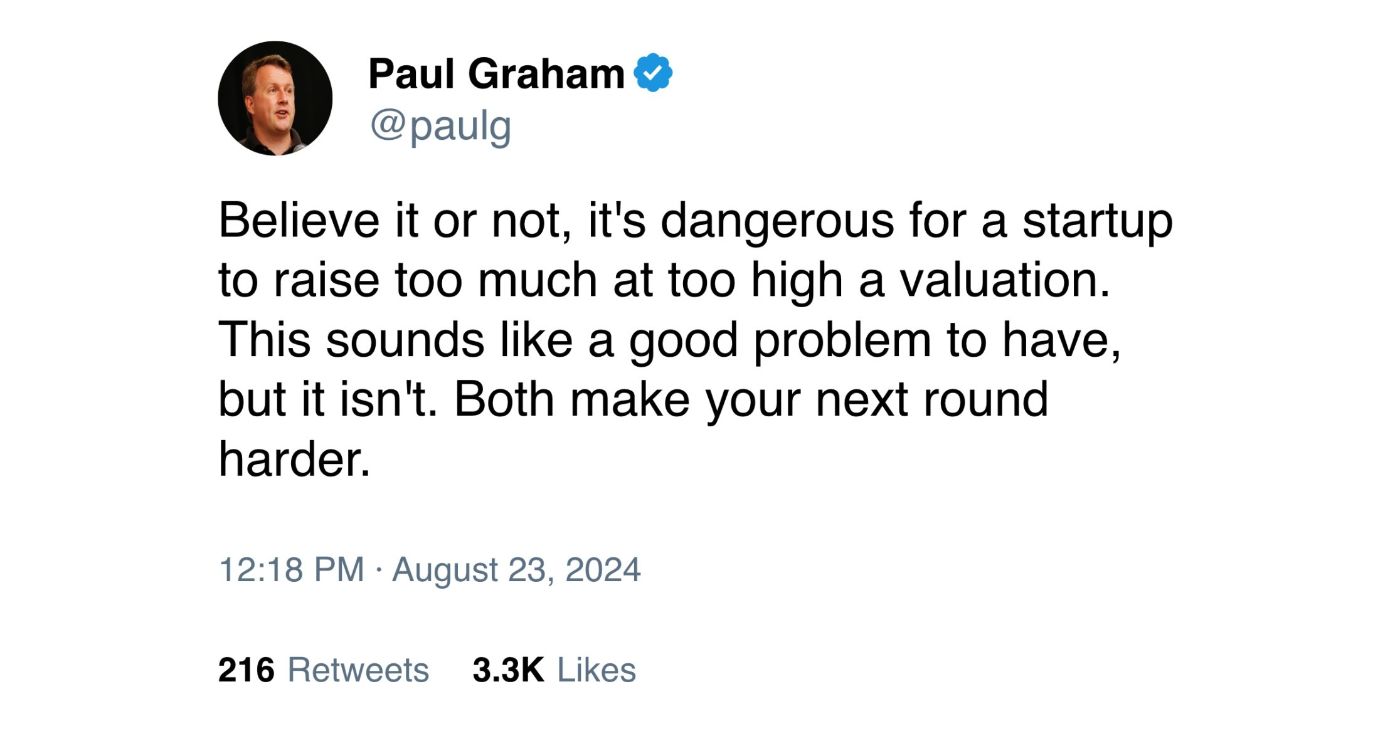
AI Startup Surge Risks Repeating Tech’s Last Funding Mania

AI Startup Surge Risks Repeating Tech’s Last Funding Mania

The AI startup frenzy and FOMO are inflating round sizes and valuations. Yes, the potential is huge. But too much capital too early often leads to mediocre outcomes. Remake of 2020–22?
Paylaş
Hackernoon2025/09/19 12:14
Bitcoin ETFs Revive with $241 Million Inflow, Ethereum ETFs Report Lowest Trading Value of the Week

Bitcoin ETFs Revive with $241 Million Inflow, Ethereum ETFs Report Lowest Trading Value of the Week

The post Bitcoin ETFs Revive with $241 Million Inflow, Ethereum ETFs Report Lowest Trading Value of the Week appeared first on Coinpedia Fintech News On September 24, the US spot Bitcoin ETF saw a combined inflow of $241.00 million, while Ethereum ETFs continued their day 3 streak of outflow. It recorded a total net outflow of $79.36 million, as per the SoSoValue report.  Bitcoin ETF Breakdown  After two consecutive days of experiencing huge sell-offs, Bitcoin ETFs finally managed to record an inflow of $241.00 million. BlackRock IBIT led with $128.90 million, and Ark and 21Shares ARKB followed with $37.72 million.  Additional gains were made by Fidelity FBTC, Bitwise BITB, and Grayscale BTC of $29.70 million, $24.69 million, and $13.56 million, respectively. VanEck HODL also made a smaller addition of $6.42 million in inflows.  Despite the inflows, the total trading value of the Bitcoin ETF dropped to $2.58 billion, with total net assets $149.74 billion. This marks 6.62% of Bitcoin market cap, slightly higher than the previous day.  Ethereum ETF Breakdown  Ethereum ETFs saw a total outflow of $79.36 million, with Fidelity’s FETH leading with $33.26 million. BlackRock ETHA also experienced heavy selling pressure of $26.47 million, followed by Grayscale’s ETHE $8.91 million. 21Shares TETH and Bitwise ETHW also posted smaller withdrawals of $6.24 million and $4.48 million, respectively.  The total trading value of Ethereum ETFs dropped below a billion, reaching $971.79 million. Net assets came in at $27.42 billion, representing 5.45% of the Ethereum market cap.  Ethereum ETF Market Context  Bitcoin is trading at $111,766, signalling a 4.6% drop compared to a week ago. Its market cap has also dipped to $2.225 trillion. Its daily trading volume has reached $49.837 billion, showing mild progress there.  Ethereum is priced at $4,011.92, with a market cap of $483.822 billion, showing a sharp decline. Its trading volume has also slipped to $37.680 billion, reflecting a slow market.  Due to heavy outflow this week, Bitcoin and Ethereum’s prices are experiencing price swings. Crypto analysts from Bloomberg warn the market to brace for further volatility.  
Paylaş
Coinstats2025/09/25 18:40
Son of filmmaker Rob Reiner charged with homicide for death of his parents

Son of filmmaker Rob Reiner charged with homicide for death of his parents

FILE PHOTO: Rob Reiner, director of "The Princess Bride," arrives for a special 25th anniversary viewing of the film during the New York Film Festival in New York
Paylaş
Rappler2025/12/16 09:59