Many newcomers to cryptocurrency wonder: is Bitcoin a stablecoin? This is a common question that deserves a clear answer. Bitcoin and stablecoins are both cryptocurrencies, but they work veryMany newcomers to cryptocurrency wonder: is Bitcoin a stablecoin? This is a common question that deserves a clear answer. Bitcoin and stablecoins are both cryptocurrencies, but they work very
Many newcomers to cryptocurrency wonder: is Bitcoin a stablecoin? This is a common question that deserves a clear answer.
Bitcoin and stablecoins are both cryptocurrencies, but they work very differently. Bitcoin's price changes constantly, while stablecoins aim to keep a steady value.
This guide explains what separates these two types of digital assets. You'll learn why Bitcoin isn't considered a stablecoin and which one might work better for your needs.
A stablecoin is a digital currency designed to maintain a stable value. Unlike other cryptocurrencies, stablecoins are pegged to traditional assets like the US dollar or gold.
Most stablecoins follow a 1:1 ratio with their reference asset. For example, one USDC stablecoin equals one US dollar. This peg keeps the price steady.
There are three main types of stablecoins. Fiat-backed stablecoins like USDT and USDC hold dollar reserves to support their value. Crypto-backed stablecoins use other cryptocurrencies as collateral, though they need extra reserves to handle volatility. Commodity-backed stablecoins tie their value to physical assets like precious metals.
The purpose of stablecoins is simple: provide the speed of cryptocurrency without wild price swings. They work well for daily transactions, cross-border payments, and protecting value during market downturns.
No, Bitcoin is not a stablecoin. This is the clear answer to a question many beginners ask.
Bitcoin is highly volatile. Its price can swing by 10% or more in a single day. In contrast, stablecoins are designed to stay at a fixed value, typically one dollar.
Bitcoin operates without any backing or peg to external assets. Its value comes purely from market supply and demand. The total supply is capped at 21 million coins, and this scarcity drives its price movements.
Stablecoins work differently. They maintain reserves of cash, treasury bonds, or other stable assets. When someone wants to redeem a stablecoin, the issuer exchanges it for the backing asset at a predictable rate.
Bitcoin serves primarily as a store of value, similar to digital gold. People buy it hoping the price will rise over time. Stablecoins serve as a medium of exchange for everyday transactions where price predictability matters.
Bitcoin experiences extreme price fluctuations. A 5-10% daily change is common, and larger swings happen during major market events.
Stablecoins are engineered for stability. They are designed to maintain a value very close to their peg, typically around one dollar. During the rare times stablecoins lose their peg, issuers work quickly to restore it through reserve management.
This difference matters for practical use. Imagine paying $100 for something with Bitcoin today, only to realize that same amount could have bought $110 worth of goods tomorrow.
Bitcoin functions as a long-term investment asset. Many holders view it as "digital gold" and keep it for years, expecting value appreciation.
Stablecoins excel at transactions. Businesses use them for international payments because the amount sent equals the amount received. Traders park funds in stablecoins between trades to avoid volatility without leaving the crypto ecosystem.
The use cases rarely overlap. You wouldn't want to receive your salary in Bitcoin if its value might drop 15% before you pay rent.
Trust works differently for each. Bitcoin's security comes from its decentralized network of miners. Stablecoin trust depends on the issuer's reserve management and transparency.
Stablecoins use elastic supply. When demand increases, issuers mint new tokens and add corresponding reserves. When demand falls, they burn tokens and reduce reserves accordingly.
This supply flexibility helps stablecoins maintain their peg. Bitcoin's rigid supply contributes to its price volatility.
Bitcoin operates through a fully decentralized network. No single entity controls Bitcoin's protocol, supply, or transactions.
Most stablecoins are issued by centralized companies. These issuers can freeze accounts, change policies, or face regulatory pressure. Users must trust that the company manages reserves properly and honors redemption requests.
This centralization gives stablecoins advantages like customer support and regulatory compliance. But it also means users give up some of the independence that makes cryptocurrencies appealing.
Like Bitcoin, Bitcoin Cash has no price peg or backing reserves. Its value fluctuates based on market forces. The supply is also capped at 21 million coins, creating the same scarcity-driven dynamics.
Bitcoin Cash experiences similar volatility to Bitcoin, with significant price swings happening in short periods. This makes it unsuitable for situations requiring stable value.
If you're looking for price stability, Bitcoin Cash won't provide it. The "cash" in its name refers to its intended use for transactions, not its price behavior.
Your choice between Bitcoin and stablecoins depends on what you need them for. They serve completely different purposes in a crypto portfolio.
Choose Bitcoin if you're investing for the long term. It works well when you can handle price swings and don't need to access your funds for years. Many investors add Bitcoin to diversify beyond traditional stocks and bonds. The potential for significant gains comes with equally significant risks.
Choose stablecoins when you need predictable value. They're ideal for sending money across borders, paying for goods and services, or temporarily holding funds between investments. Stablecoins let you move money 24/7 without bank delays or high wire transfer fees.
Some people use both. They might hold Bitcoin as a long-term investment while keeping stablecoins for spending and daily transactions. This approach gives you exposure to Bitcoin's potential upside while maintaining stable funds for regular use.
Your risk tolerance matters most. Bitcoin suits those comfortable with volatility, while stablecoins appeal to users who prioritize stability over growth potential.
Bitcoin and stablecoins both belong to the cryptocurrency family, but they couldn't be more different in practice.
Bitcoin is a volatile asset that works best for long-term investment. Stablecoins provide stable value for transactions and payments.
Understanding these differences helps you choose the right tool for your needs. Use Bitcoin when you want growth potential, and stablecoins when you need reliability.
Ready to start trading? MEXC offers both Bitcoin and major stablecoins with low fees and easy access for beginners.
This article is provided by MEXC for informational purposes only and does not constitute financial or investment advice. Cryptocurrency markets involve significant risk. Please conduct independent research or consult a qualified professional before making any investment decisions. The views expressed do not necessarily represent those of MEXC or its affiliates.
Popular Articles
Best Prediction Market Platforms 2026: Crypto vs. Fiat Compared
The best prediction market platforms in 2026 include MEXC, Polymarket, Kalshi, and PredictIt. Crypto-based platforms like MEXC and Polymarket offer competitive fees and fast settlement, while fiat-bas
Are Prediction Markets Accurate? Betting Odds vs. Traditional Polls
Prediction markets have emerged as powerful tools for forecasting real-world events, particularly in politics. By translating collective expectations into prices, these platforms generate what are com
Are Prediction Markets Legal? CFTC Rules and US Regulations
Prediction markets sit at the intersection of finance, betting, and regulation—making their legal status one of the most debated topics in modern markets. While these platforms allow users to trade on
The History of Crypto Prediction Markets: From Augur to Today
Crypto prediction markets are decentralized platforms where users can bet on the outcomes of future events using cryptocurrencies. These markets leverage crowd intelligence and have evolved significan
MEXC Rewards Card: Your Complete Guide to Features, Benefits, and Application
1. Introduction to the MEXC Rewards Card The MEXC Rewards Card stands out as a premium Visa credit card tailored for cryptocurrency traders, seamlessly linking everyday spending with MEXC's robust
How to Convert 114514 (114514) Crypto to Cash? A Beginner's Complete Guide
Converting cryptocurrency to cash might seem complicated, but it's actually straightforward once you understand the process. Whether you're holding 114514 (114514) or any other digital asset, there
How to Convert 人生K线 (人生K线) Crypto to Cash? A Beginner's Complete Guide
Converting cryptocurrency to cash might seem complicated, but it's actually straightforward once you understand the process. Whether you're holding 人生K线 (人生K线) or any other digital asset, there are
How to Convert James Wynn Real (WYNN) Crypto to Cash? A Beginner's Complete Guide
Converting cryptocurrency to cash might seem complicated, but it's actually straightforward once you understand the process. Whether you're holding James Wynn Real (WYNN) or any other digital asset,
Zero Balance Account vs Salary Account: Key Differences Explained
Choosing where to keep your hard-earned money is an important decision. It can be easier than you think. Many people find themselves choosing between two common
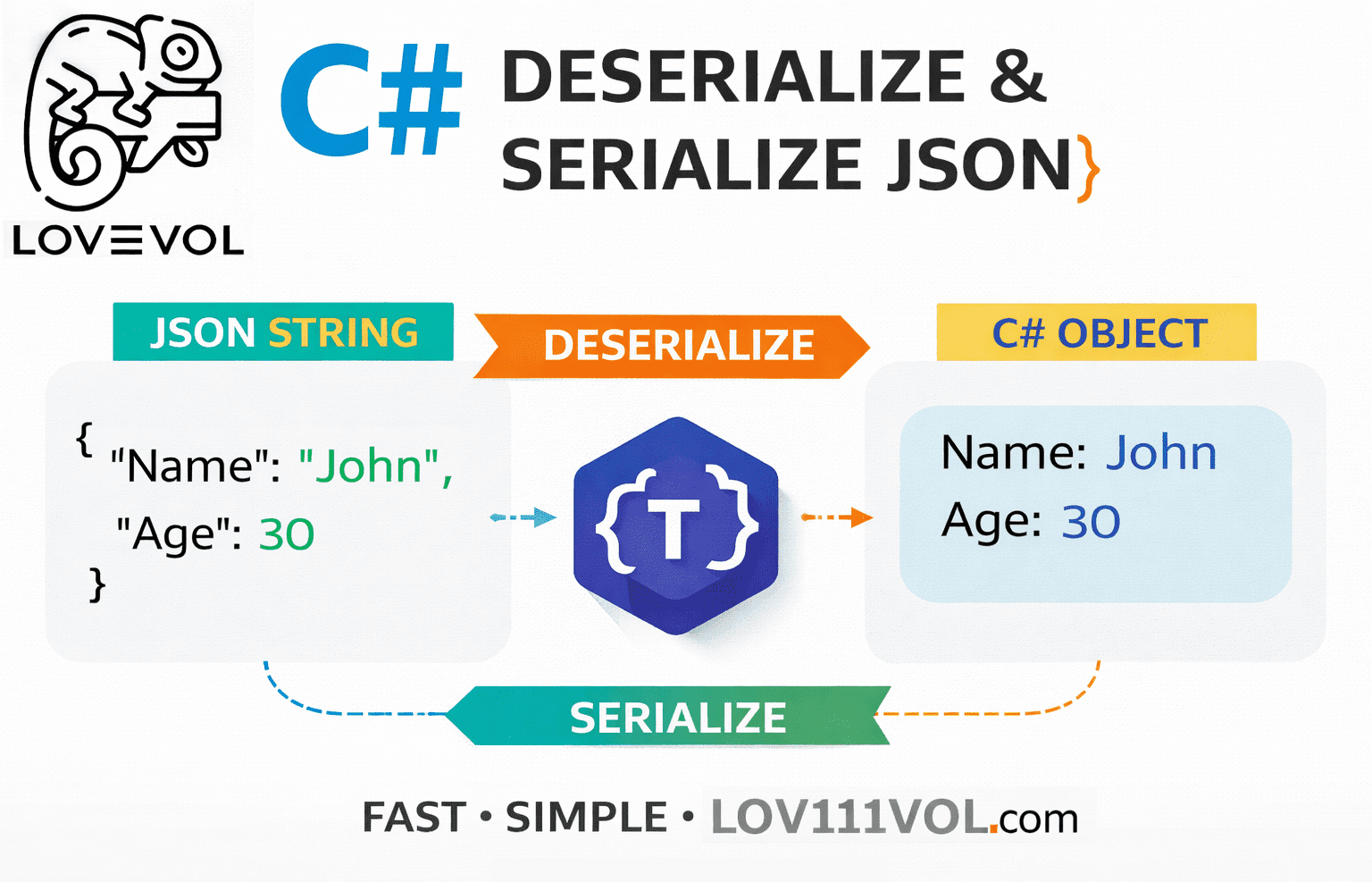
C# JSON: How to Serialize and Deserialize JSON Objects?
Author: Marcin Szolke (Scholke) • www.LOV111VOL.com Introduction In modern C# development, JSON (JavaScript Object Notation) is the most common format for exchanging
Solana Foundation Launches Agent Skills to Connect AI Tools With On-Chain Operations
The post Solana Foundation Launches Agent Skills to Connect AI Tools With On-Chain Operations appeared on BitcoinEthereumNews.com. TLDR: Solana Agent Skills allows
Nigeria Tops Global Stablecoin Adoption Rates
The post Nigeria Tops Global Stablecoin Adoption Rates appeared on BitcoinEthereumNews.com. Nigeria leads the world in stablecoin adoption with 59% of users holding
Related Articles
Best Prediction Market Platforms 2026: Crypto vs. Fiat Compared
The best prediction market platforms in 2026 include MEXC, Polymarket, Kalshi, and PredictIt. Crypto-based platforms like MEXC and Polymarket offer competitive fees and fast settlement, while fiat-bas
Are Prediction Markets Accurate? Betting Odds vs. Traditional Polls
Prediction markets have emerged as powerful tools for forecasting real-world events, particularly in politics. By translating collective expectations into prices, these platforms generate what are com
Are Prediction Markets Legal? CFTC Rules and US Regulations
Prediction markets sit at the intersection of finance, betting, and regulation—making their legal status one of the most debated topics in modern markets. While these platforms allow users to trade on
The History of Crypto Prediction Markets: From Augur to Today
Crypto prediction markets are decentralized platforms where users can bet on the outcomes of future events using cryptocurrencies. These markets leverage crowd intelligence and have evolved significan