Dapp

Dapps are digital applications that run on a P2P network of computers rather than a single server, typically utilizing smart contracts to ensure transparency and uptime. In 2026, Dapps have achieved mass-market appeal through Account Abstraction, allowing for a "Web2-like" user experience with the security of Web3. This tag covers the entire ecosystem of decentralized software—from social media and productivity tools to governance platforms and identity management.

4953 Articles
Created: 2026/02/02 18:52
Updated: 2026/02/02 18:52
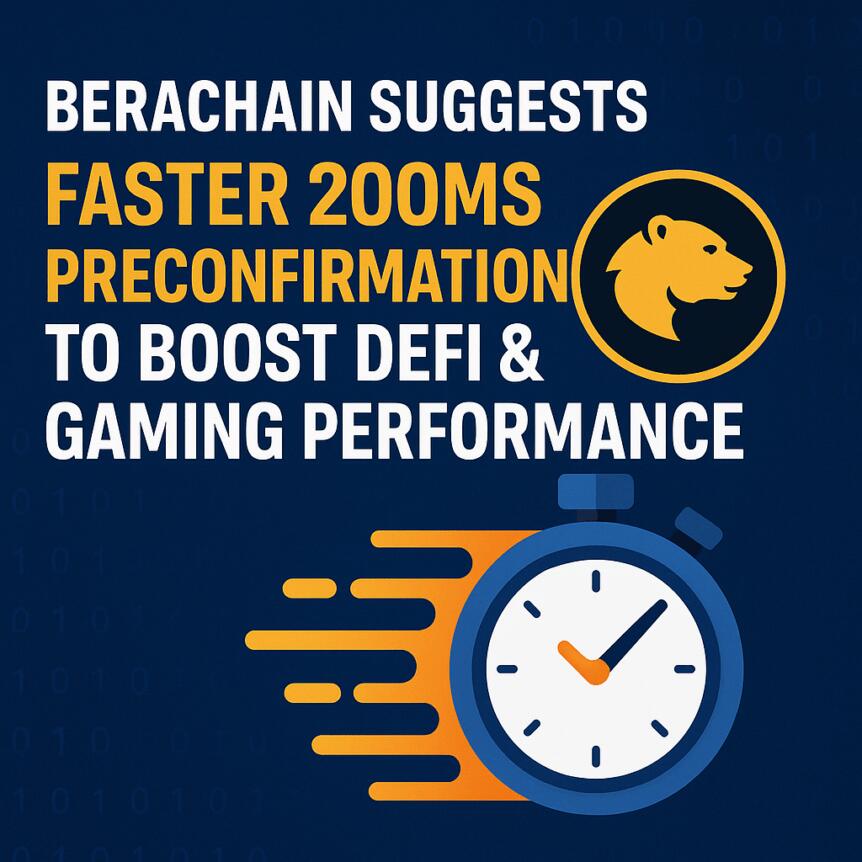
Berachain Suggests Faster 200ms Preconfirmations to Boost DeFi & Gaming Performance

Berachain Suggests Faster 200ms Preconfirmations to Boost DeFi & Gaming Performance

In the rapidly evolving landscape of blockchain technology, the push for near-instant transaction confirmations continues to gain momentum. Berachain, a prominent player in the DeFi ecosystem, is proposing a significant upgrade aimed at drastically reducing transaction confirmation times from two seconds to approximately 200 milliseconds. This development promises to make decentralized applications (dApps), such as [...]

Author: Crypto Breaking News
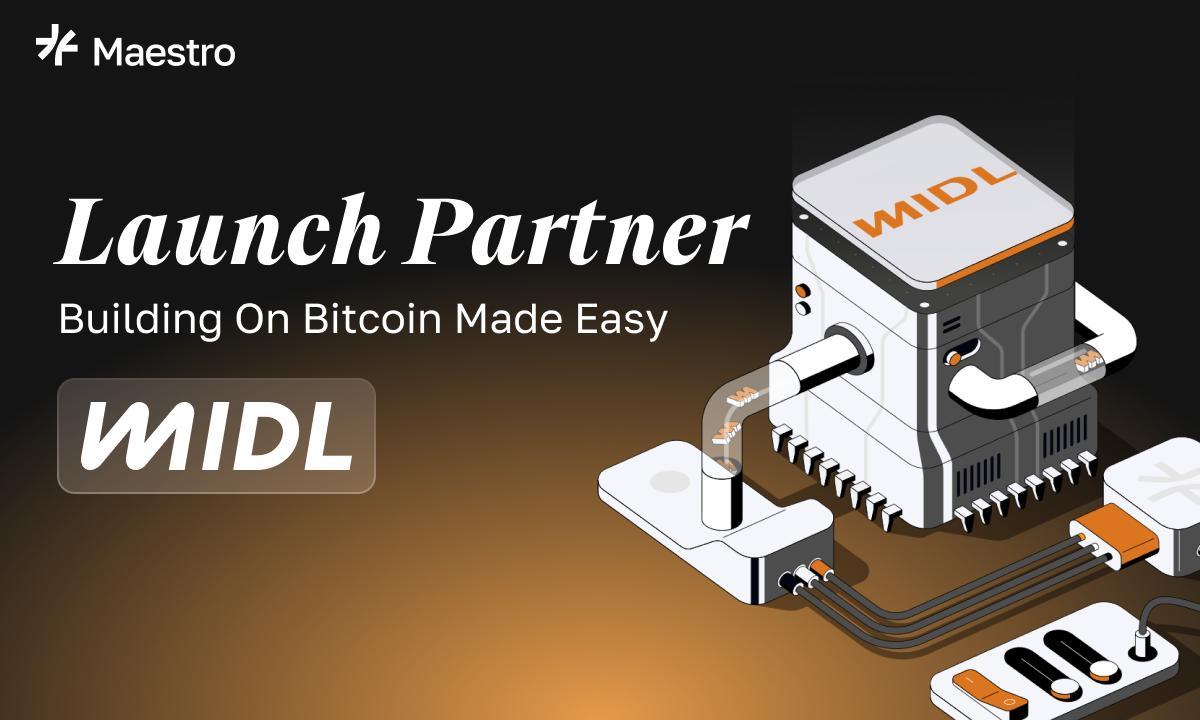
Maestro’s Enterprise-grade Infrastructure Enables Midl to Bring EVM-level dApps to Bitcoin

Maestro’s Enterprise-grade Infrastructure Enables Midl to Bring EVM-level dApps to Bitcoin

[PRESS RELEASE – Austin, Texas, October 23rd, 2025] Maestro, the leading enterprise-grade infrastructure powering Bitcoin-native capital markets, is delighted to support Midl, a next-generation execution environment for Bitcoin. Midl joins a growing list of supported chains, extending the same low-latency RPC, indexing, and data-streaming capabilities through Maestro’s developer platform. Midl brings an EVM-compatible development environment […]

Author: CryptoPotato
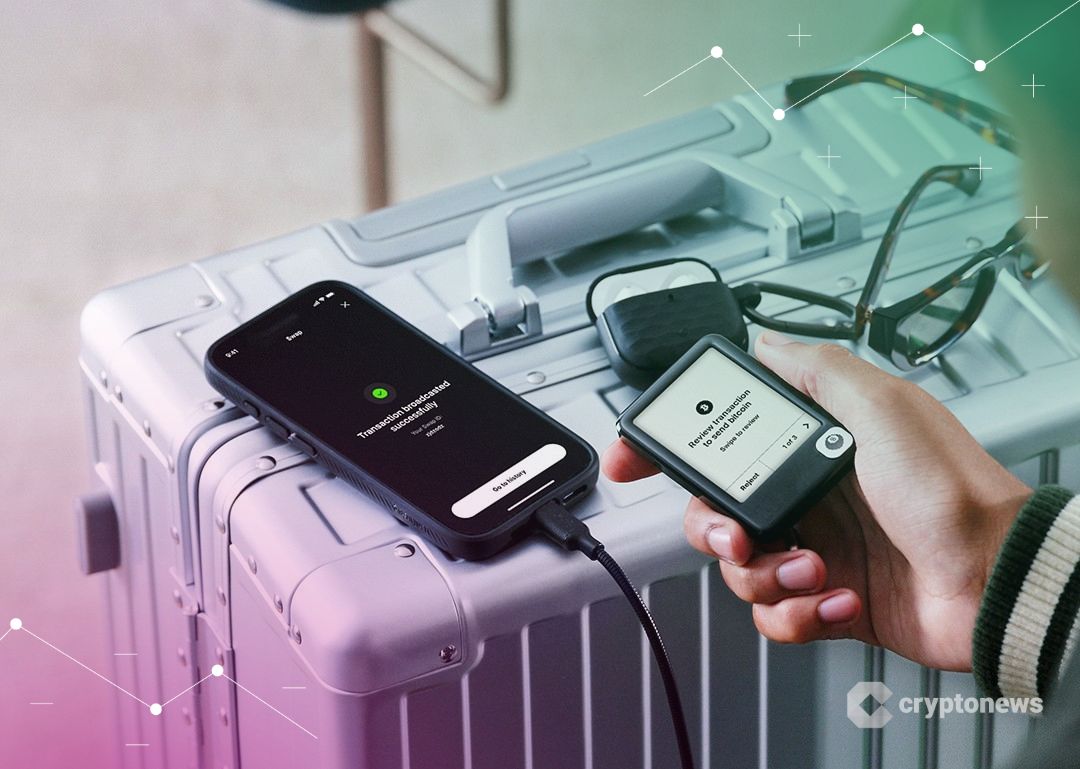
Ledger unveils new Nano Gen5 and multisig platform, rebrands Live as Ledger Wallet

Ledger unveils new Nano Gen5 and multisig platform, rebrands Live as Ledger Wallet

The post Ledger unveils new Nano Gen5 and multisig platform, rebrands Live as Ledger Wallet appeared on BitcoinEthereumNews.com. Key Takeaways Ledger launched the Nano Gen5 hardware wallet with advanced security features and expanded connectivity. For institutional clients, Ledger introduced its new Multisig platform, designed for treasury management, smart contract governance, and multi-chain workflows. Ledger has unveiled a new product lineup meant to make self-custody and digital security more accessible and intuitive for everyday users. At its Ledger Op3n event in Paris on Oct. 23, the company introduced the new Ledger Nano Gen5 device, the rebranded Ledger Live now known as Ledger Wallet, and Ledger Multisig, a new enterprise solution for institutional users. The Nano Gen5, priced at $179, features Bluetooth connectivity, NFC support, and an E Ink touchscreen. Ledger’s latest hardware wallet, now called a “signer,” emphasizes security with features like Clear Signing, Transaction Check, and Ledger Security Key, and each device ships with a Ledger Recovery Key. “The Ledger Nano series is the most successful digital asset security device of all time, with millions sold and none ever hacked,” said Pascal Gauthier, Chairman and CEO of Ledger. “The all-new Ledger Nano is built for the challenges and opportunities of today, and ready for those coming in the future.” Ledger Wallet, formerly known as Ledger Live, has been redesigned as a secure control center for managing digital assets. The new app adds direct connections to dApps such as 1inch, integrates Noah’s “Cash-to-Stablecoin” feature for quick fiat-to-USDC conversions, and delivers a faster, more intuitive experience for buying, selling, earning, and swapping assets. The platform now supports all of the top 100 digital tokens. Ian Rogers, Chief Experience Officer at Ledger, said: “Ledger’s dedication to security and ownership hasn’t wavered in eleven years but Ledger’s products are evolving alongside crypto, faster than ever.” Ledger Multisig, unveiled as part of Ledger Enterprise, brings institutional-grade security and governance to digital asset management.…

Author: BitcoinEthereumNews
Why web3 needs decentralized infrastructure before it’s too late

Why web3 needs decentralized infrastructure before it’s too late

The AWS outage exposed the fragility of centralized systems, underscoring the urgent need for web3 to embrace truly distributed, resilient infrastructure.

Author: Crypto.news
UXLINK Partners with Conflux Network to Accelerate Web3 and Stablecoin Payment Innovation

UXLINK Partners with Conflux Network to Accelerate Web3 and Stablecoin Payment Innovation

This latest partnership between UXLINK and Conflux Network is poised to deliver a robust infrastructure for Web3 as well as stablecoin payments.

Author: Blockchainreporter
Ledger Unveils ‘Ledger Signers’ with New Nano Gen5, Announces Enterprise Multisig

Ledger Unveils ‘Ledger Signers’ with New Nano Gen5, Announces Enterprise Multisig

Major crypto wallet maker Ledger has announced that its wallets are now ‘signers’, with the first of its kind, Ledger Nano Gen5, ready to ship. The company has highlighted a number of features meant to safeguard finances and digital identities, it said. First, the company has made some name changes to reflect the expanded concept. Previously called ‘hardware wallets’, its devices are now ‘Ledger signers’. The interface Ledger Live is now Ledger Wallet. Ledger signers will secure the interface, according to the announcement. “This update reflects their expanded role beyond securing financial transactions, including protecting digital identity in a world accelerated by AI,” the team says. The new Nano signer will usher in these changes. Ledger Nano Gen5 is ”the most powerful and playful Ledger Nano we’ve ever built,” they added. It will ”secure everything from assets to identity, smart contracts to tomorrow’s protocols.” Notably, the new device features NFC and Bluetooth for “on-the-go signing.” Its E Ink touchscreen enables Clear Signing, Transaction Check, and Ledger Security Key. “The Ledger Nano series is the most successful digital asset security device of all time, with millions sold and none ever hacked,” said Chairman and CEO Pascal Gauthier. “The all-new Ledger Nano is built for the challenges and opportunities of today, and ready for those coming in the future.” Ledger Nano is available to order, shipping immediately, for $179 (€179). You may also like: Ledger Launches Recovery Key, a Physical ‘Spare Key’ Major crypto wallet maker Ledger has released Ledger Recovery Key, a spare key for users to access digital assets. The company announced this product in late June 2025. It allows Ledger Flex and Ledger Stax users to create a spare key alongside the 24 words. According to the press release, Ledger Recovery Key is supposed to make accessing digital assets simple. The team claims it’s “as easy as tapping a card and entering a PIN.” The spare key connects directly to the wallet via NFC... DeFi Connection, Cash-To-Stablecoin, and Ledger Multisig At the same time, the Ledger Wallet app serves as a portfolio tracker and an “intuitive control center” for digital value. It provides services for buying, swapping, earning, and other actions. Per the announcement, the app’s Buy, Sell, Earn, and Swap features have been updated, providing heightened speed and reliability. Its new features include the ability to connect the Ledger signer directly to dapps. Moreover, it’s integrating Noah, aka ‘Cash-To-Stablecoin’. Users will be able to top up their wallet with USD or EUR without additional fees and instantly convert it to USDC. Chief Experience Officer Ian Rogers commented that “the combination of Ledger Wallet on your smartphone or computer and your Ledger signer makes it easy and safe to use the full range of services offered by decentralized finance.” Meanwhile, Ledger Signers will also “enable Proof of Authority beyond the individual.” It will expand into the institutional area, via Ledger’s platform for banks, custodians, governments, foundations, and crypto-native businesses. Expanding its Ledger Enterprise, the company unveiled the Ledger Multisig, aiming to turn “high-stakes operations into precise, verifiable decisions,” it said. “Every approval is Clear Signed on a Ledger device, so every action is seen, understood, and locked with cryptographic certainty.” The team designed Multisig for treasury management, smart contract governance, and multi-chain workflows. The Ledger Nano, Ledger Wallet, and Ledger Enterprise Multisig were tested by the Donjon, Ledger’s white hat hacker team. External security experts audited the products, the announcement says. Spare Key With Every Nano Ledger Recovery Key will be included in every Nano Gen5 box. In July this year, Ledger released its Ledger Recovery Key, a spare key for users to access digital assets. First announced in late June 2025, the product allows Ledger Flex and Ledger Stax users to create a spare key alongside the 24 words. The spare key connects directly to the wallet via NFC wireless channels. It’s kept on hardware and is protected by its own PIN code. Now, per the latest announcement, “NFC support further enables Ledger Security Key, allowing you to use FIDO2 Passkeys to protect your logins using your Ledger signer.” Meanwhile, Susan Kare, the artist and graphic designer behind the Apple Macintosh’s original iconography, has designed iconography for an exclusive series of Badges to personalize Ledger Nano. You may also like: Ledger Starts Shipping its New Ledger Stax Hardware Wallet After 18 Months French startup Ledger has finally begun shipping its latest Ledger Stax devices, nearly 18 months after their initial announcement. Collaborating with Tony Fadell, one of the key designers behind the iPod, Ledger has introduced an updated wallet featuring an E-Ink display, according to a report from TechCrunch. E-Ink technology, commonly used in e-book readers like the Amazon Kindle and Rakuten Kobo, provides a clear display in daylight while consuming minimal power. Following the... Competitor Reveals Trezor Safe 7 Just a couple of days prior to Ledger’s announcement, wallet maker Trezor presented its latest offering, Safe 7. The features focus on security, with the company claiming to be the first to include several key elements. These too are future- and protection-focused: while Ledger highlighted AI, Trezor noted quantum computers. These new features include TROPIC01, described as “the world’s first transparent and auditable secure element.” There’s also key isolation, Bluetooth communication secured via the novel Trezor Host Protocol (THP), as well as architecture that supports “quantum-secure updates.” Trezor Safe 7 costs $249 (€249) and is available in Charcoal Black and Bitcoin-only editions, with Obsidian Green coming soon. Cryptonews talked exclusively with Tomáš Sušánka, Chief Technology Officer at Trezor, on the day of the launch. Read the interview below. You may also like: Exclusive: Blockchains Are Not Ready for the Quantum Threat, But Trezor Is, Says CTO Cryptonews has talked with Tomáš Sušánka, Chief Technology Officer at Trezor, at the wallet maker’s Prague conference on 21 October, titled Trustless by Design. Sušánka has discussed the launch of the Trezor Safe 7, specifically the post-quantum security, and whether there is really a need for this feature (currently). He also answered our questions about utilizing Bluetooth, which is known to have security issues. Finally, the CTO noted the advantages of the latest introductions,...

Author: CryptoNews
How are Web3 Game Development Companies Transforming Players into Digital Owners?

How are Web3 Game Development Companies Transforming Players into Digital Owners?

Gone are the days when players spent countless hours grinding for rewards that disappeared the moment a server shut down. The gaming world has evolved, and this time, players hold the power. Today, every skin, weapon, and collectible isn’t just a digital reward; it’s a real, ownable asset. Imagine owning your in-game world the way you own your car or your crypto wallet. That’s the promise shaping the future of gaming. Through blockchain innovation, every achievement can now carry real-world value. A Web3 game development company doesn’t just create entertainment; it builds ecosystems where players become stakeholders, traders, and true digital owners. This isn’t just the next level of gaming; it’s a global movement redefining what it means to play and own. The Shift from Playing to Owning The gaming world is undergoing a significant shift from a play-to-win model to a play-to-own model. In traditional games, players spend hours collecting rewards, leveling up, and unlocking gear that ultimately belongs to the game developers. But in the Web3 era, that dynamic is being rewritten. Now, every item you earn, trade, or craft carries real value and ownership. Players are no longer just participants; they’re investors, creators, and stakeholders in the virtual worlds they love. The sense of accomplishment goes beyond in-game achievements; it becomes an asset that can grow, trade, and even generate income. In Web3, your progress doesn’t disappear; it multiplies. This evolution empowers gamers to take control, turning their passion for play into lasting digital ownership and financial opportunity. Inside the Web3 Revolution The Web3 revolution is redefining what gaming truly means by merging technology, transparency, and player power. At its core, blockchain ensures that every transaction and in-game asset is securely recorded and verifiable. NFTs (Non-Fungible Tokens) take this a step further, turning skins, weapons, and collectibles into unique, tradeable assets that players genuinely own. Smart contracts automate these interactions, eliminating the need for middlemen and ensuring fairness in every deal. Games like Axie Infinity and Illuvium have already proven how this model can reshape the industry. Axie Infinity alone saw millions of players earning real income by trading digital creatures, showing how gaming can evolve into an economy. According to DappRadar, blockchain gaming now accounts for over 30% of all decentralized app activity, signaling explosive growth. This shift is more than a trend; it’s a movement where creativity, ownership, and technology converge to give players the freedom to earn, build, and truly belong in their digital worlds. Play-to-Earn: The New Digital Economy The rise of Play-to-Earn (P2E) gaming has turned a once-simple hobby into a powerful digital economy. No longer just about high scores or leaderboards, today’s games offer players the chance to earn real income through their time, effort, and creativity. Powered by Web3 game development companies, P2E models reward players with cryptocurrencies, tokens, or NFTs that hold genuine market value. Gamers can now sell rare items, trade digital land, or create unique avatars that generate passive income. In countries like the Philippines and Vietnam, players have even used Play-to-Earn games such as Axie Infinity to support their families, proving this model is more than just hype. What makes it revolutionary is the fairness it introduces; every achievement is recognized and rewarded. For the first time, gamers are earning not just respect but real rewards. This new digital economy blurs the line between passion and profession, empowering anyone with an internet connection to turn gameplay into a genuine opportunity. Why Web3 Game Developers are the New Architects of Value? Behind the Web3 revolution stand the Web3 game development companies, the true architects shaping the future of gaming. These developers are not just coding virtual worlds; they’re designing self-sustaining digital ecosystems where players have real influence, ownership, and earning power. Through the power of blockchain technology, they’re creating transparent environments where players can co-own assets, co-create content, and co-earn rewards through decentralized systems. Compared to traditional studios that control every aspect of gameplay and economy, Web3 developers empower players to be active stakeholders. Through tokenized rewards, player-driven marketplaces, and NFT-based assets, they’re transforming games into expanding digital economies. What makes this shift powerful is the creative freedom it unlocks. Developers are now building open worlds where imagination pays off literally. They’re not just building games, they’re building economies where imagination pays off. As these companies continue to innovate, the future of gaming looks more inclusive, community-driven, and rewarding than ever before. The Rise of Digital Ownership The gaming landscape is no longer just about entertainment; it’s about true ownership. Thanks to Web3 game development companies, players now have the power to own, trade, and monetize their in-game assets like never before. From rare NFTs to tokenized rewards, every achievement carries tangible value, transforming games into vibrant economies where players are more than participants; they are stakeholders. This shift goes beyond technology; it’s a cultural and financial revolution. Digital ownership in gaming empowers creativity, rewards dedication, and bridges the gap between virtual and real-world value. The next generation of gamers won’t just play in worlds, they’ll own them. With every game, token, and collectible, Web3 is shaping a future where passion, skill, and imagination translate directly into ownership, opportunity, and lasting impact. How are Web3 Game Development Companies Transforming Players into Digital Owners? was originally published in Coinmonks on Medium, where people are continuing the conversation by highlighting and responding to this story

Author: Medium
Metamask joins the SEAL for a phishing warning network

Metamask joins the SEAL for a phishing warning network

MetaMask has joined Phantom, WalletConnect and Backpack through the Security Alliance (SEAL) to create a global phishing warning network. The network centralises reports so wallets can act on validated threats at scale. How are reports validated? SEAL’s verifiable phishing reports let researchers prove a page contains the malicious content users report, removing guesswork. Reports are […]

Author: The Cryptonomist
Major Pi Network Update: Will This Be the Turning Point for PI?

Major Pi Network Update: Will This Be the Turning Point for PI?

Pioneers are now allowed to use PI as collateral, borrow stablecoins, or lend to earn yields.

Author: CryptoPotato
“Web3 Without Wallets?” - My Journey into Invisible UX

“Web3 Without Wallets?” - My Journey into Invisible UX

Most people quit Web3 before they even get started, wallets, seed phrases, and gas fees scare them off. I discovered a new path: invisible wallets powered by account abstraction. Tools like Privy, Magic.link, and Coinbase Smart Wallet let users sign in with just an email or phone, no crypto knowledge needed. For India, where regulations and fiat on-ramps complicate everything, this frictionless UX could be the bridge that finally brings mass adoption. Web3 should feel like Web2 simple, seamless, and secure until it truly matters.

Author: Hackernoon