Stablecoins

Stablecoins are digital assets pegged to a stable reserve, such as the US Dollar or Gold, to minimize price volatility. Serving as the primary medium of exchange in Web3, tokens like USDT, USDC, and PYUSD facilitate global payments and DeFi liquidity. In 2026, the focus has shifted toward yield-bearing stablecoins and compliant stablecoin frameworks under global regulations like MiCA. This tag covers the intersection of traditional finance (TradFi) and crypto through stable on-chain liquidity solutions.

23361 Articles
Created: 2026/02/02 18:52
Updated: 2026/02/02 18:52
Song Min, President of the Hong Kong Institute of International Finance, said: "Institutional advancement" will help Hong Kong explore the development path of stablecoins, which should be anchored in

Song Min, President of the Hong Kong Institute of International Finance, said: "Institutional advancement" will help Hong Kong explore the development path of stablecoins, which should be anchored in

PANews reported on July 30 that Hong Kong's Stablecoin Ordinance will officially take effect on August 1, 2025. Song Min, Dean of the China Central Development Research Institute at Wuhan

Author: PANews
Yuanbi Technology completes US$40 million Series A2 financing round, led by ZhongAn International and others

Yuanbi Technology completes US$40 million Series A2 financing round, led by ZhongAn International and others

PANews reported on July 30th that RD Technologies, a Hong Kong-based fintech group, announced the successful completion of its Series A2 funding round, raising nearly US$40 million. This round was

Author: PANews
Wu Jiezhuang: The specific plan for Hong Kong's stablecoin KYC rules will be proposed by the stablecoin issuer and will only need to be approved by the HKMA.

Wu Jiezhuang: The specific plan for Hong Kong's stablecoin KYC rules will be proposed by the stablecoin issuer and will only need to be approved by the HKMA.

PANews reported on July 30th that, according to Caixin, the Hong Kong Monetary Authority will open applications for the first batch of stablecoin issuer licenses from August 1 to September

Author: PANews
South Korea's central bank establishes a "virtual asset group" and adjusts its digital currency department

South Korea's central bank establishes a "virtual asset group" and adjusts its digital currency department

PANews reported on July 30th that, according to news1, as discussions regarding the Korean won stablecoin continue to heat up, the Bank of Korea recently established a new "Virtual Asset

Author: PANews
Hong Kong Monetary Authority: Applications for a basket of fiat-pegged stablecoins are available, with the first license likely to be issued early next year

Hong Kong Monetary Authority: Applications for a basket of fiat-pegged stablecoins are available, with the first license likely to be issued early next year

According to a July 30th report from PANews and the National Business Daily, Hong Kong Monetary Authority Deputy Chief Executive Chan Wai-min stated at a technical briefing on the regulatory

Author: PANews
Warnings from multiple locations: Beware of new "stablecoin investment" scams

Warnings from multiple locations: Beware of new "stablecoin investment" scams

PANews reported on July 30th that some unscrupulous institutions have recently capitalized on the buzz around "stablecoins," issuing or hyping so-called "virtual currencies," "digital assets," and "stablecoin investment projects," promising

Author: PANews
South Korean Central Bank Unveils New ‘Cryptoassets Department’

South Korean Central Bank Unveils New ‘Cryptoassets Department’

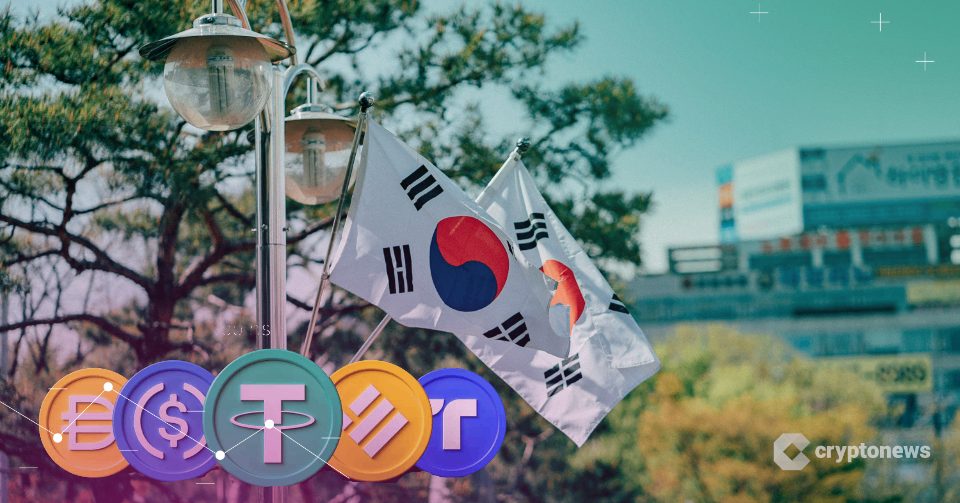
South Korea’s Central Bank has announced it will reorganize its structure to include a “cryptoassets department” as a wave of public sector stablecoin -related activity continues to build momentum. The South Korean media outlet News1 reported that the Bank of Korea (BOK) has established a new division named the “Cryptoasset Department.” Cryptoassets Department: New BOK Division to Monitor Crypto Sector The BOK also announced that its Digital Currency Research Lab, which operates within its Financial Settlement Bureau, will be renamed the Digital Currency Lab on July 31. News1 explained: “This appears to be an attempt to emphasize its status as a business unit.” The bank added that it has also reorganized the roles of the teams that make up the lab, and will assign staffers to test token usability. The BOK said its Cryptoasset Team Department would operate within its Financial Settlement Bureau. This division, it said, will be responsible for monitoring the crypto market. Its remit will also include Korean won-pegged stablecoins and legislative matters. The media outlet wrote that experts have interpreted the reshuffle as an “attempt to better respond to recent discussions on stablecoin issuance, while continuing work on its central bank digital currency (CBDC).” The Bank of Korea remains concerned at the tariff impact on economic expansion rather than inflation, Governor Rhee Chang-yong says https://t.co/e4gpV9bZqs — Bloomberg (@business) July 1, 2025 CBDC Plans on Ice? The BOK recently hit the pause button on its CBDC rollout plans, seemingly in direct response to the government’s stablecoin legalization plans. The bank seems to believe that CBDC-based deposit tokens are no different from bank-supported KRW stablecoins. The BOK Governor Rhee Chang-yong said last year that deposit tokens are essentially “stablecoins issued by banks.” Rhee said earlier this month: “No matter if we are talking about a won stablecoin or a deposit token, we will need a digital currency in the future. We will carefully consider whether it is better to gradually move forward with a focus on the banking sector or to expand this to the wider private sector.” From Breakingviews – Breakingviews – Samsung’s $16.5 bln Tesla coup comes with caveats https://t.co/SRFpPxv2Ey https://t.co/SRFpPxv2Ey — Reuters (@Reuters) July 29, 2025 South Korean Stablecoin Regulation Incoming The bank’s move comes just hours after the nation’s two biggest political parties rolled out stablecoin regulation bills . Both bills propose giving the Financial Services Committee sweeping regulatory powers over the stablecoin industry. Critics think this will significantly diminish the role of the BOK. And the BOK has previously hit out at private sector stablecoin adoption plans. It claims that KRW-pegged coins could undermine Seoul’s ability to conduct effective monetary policy. Some of the country’s biggest tech firms have already registered KRW stablecoin-themed trademarks in anticipation of a green light from Seoul.

Author: CryptoNews
180 Life Sciences Rebrands as ETHZilla, Unleashes $425M Ethereum Treasury Raise

180 Life Sciences Rebrands as ETHZilla, Unleashes $425M Ethereum Treasury Raise

180 Life Sciences Corp. (Nasdaq: ATNF) has revealed plans to transform its business strategy with a major crypto change by rebranding to “ETHZilla” and adopting Ethereum as the central asset in its treasury reserve. JUST IN: 🇺🇸 Publicly traded 180 Life Sciences to raise $425,000,000, load up on $ETH for its treasury and rebrand to "ETHZilla." pic.twitter.com/VH9qirDW2B — Whale Insider (@WhaleInsider) July 29, 2025 The company is supported by over 60 institutional and crypto-native investors. This move establishes ETHZilla as a publicly traded company adopting Ethereum. Private Placement and ETH Strategy The company’s planned $425 million private investment in public equity (PIPE) will fund the initial treasury allocation. The deal, expected to close on or around August 1, includes registration rights for investors and authorizes the sale of an additional $150 million in debt securities. Upon closing, proceeds will primarily be used to purchase ETH, fund general corporate expenses, and cover transaction costs. Electric Capital will serve as the external asset manager, tasked with building an on-chain yield generation program that goes beyond standard staking. The strategy will include a mix of lending, liquidity provisioning, and structured agreements, seeking to optimize ETH yield while maintaining risk controls. Crypto-Native Backing and Governance ETHZilla’s PIPE is backed by a deep bench of prominent names from both traditional and decentralized finance. Among them are Polychain Capital, Harbour Island, GSR, Omicron Technologies, and leaders such as Konstantin Lomashuk (Lido), Sreeram Kannan (Eigenlayer), Robert Leshner (Compound), and Vivek Raman (Etherealize). The existing management team will stay in place post-transaction. McAndrew Rudisill is set to become chairman of the board. He explains that the Ethereum network, with a market capitalization of over $450 billion, represents a foundational layer for new developments in stablecoins and tokenized assets. Rudisill describes the initiative as a pathway for investors to gain exposure to Ethereum’s potential through a public company structure. Partnership with Etherealize and the DeFi Council A central part of the company’s transition involves collaboration with Etherealize , a crypto-native firm with strong Ethereum ties. Etherealize will help shape ETHZilla’s treasury deployment and provide continued strategic support. A newly formed “DeFi Council,” composed of builders from leading DeFi protocols, will advise on how to responsibly and creatively grow the company’s ETH holdings. SharpLink Is the Largest Public Holder of Ethereum Currently, SharpLink Gaming is the leading public company holding Ethereum, now controlling 360,807 ETH—valued at approximately $1.33 billion—according to fresh data from analytics platform CoinGecko. 🚨 @SharpLinkGaming now holds the most ETH among public firms ($1.33B), surpassing Bitmine & Coinbase. #Ethereum #Crypto https://t.co/xcyxxYTYoo — Cryptonews.com (@cryptonews) July 24, 2025 What sets SharpLink apart is not just the size of its ETH treasury, but how it’s used. The company reports that over 95% of its Ethereum is either staked or deployed through liquid staking platforms.

Author: CryptoNews
Hong Kong freezes stablecoin licensing through 2025 as rules take effect

Hong Kong freezes stablecoin licensing through 2025 as rules take effect

Hong Kong’s decision to hold off on stablecoin licensing until 2025, as the regulatory regime prepares for Gazette publication on August 1, signals caution over rapid adoption. But is this a strategic pause or a bottleneck for crypto’s next frontier?…

Author: Crypto.news
Hong Kong Monetary Authority Releases Stablecoin Licensing Framework – CBDCs Coming Soon?

Hong Kong Monetary Authority Releases Stablecoin Licensing Framework – CBDCs Coming Soon?

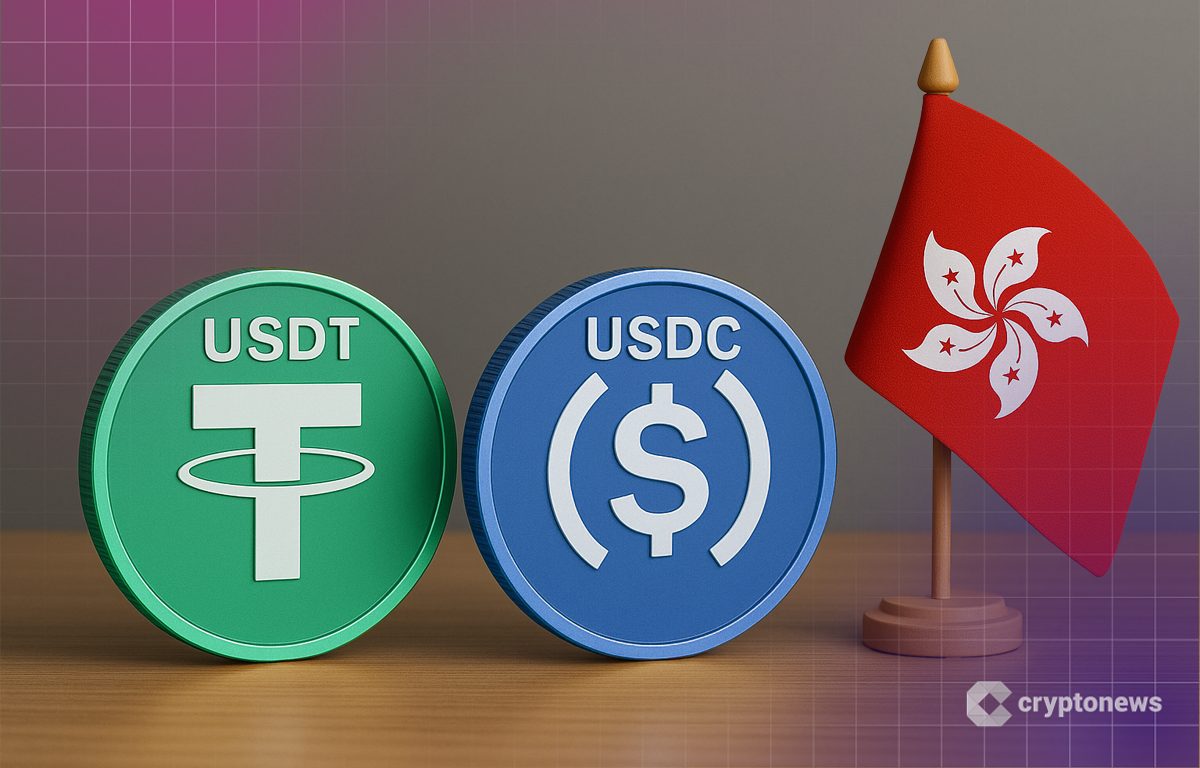
The Hong Kong Monetary Authority (HKMA) announced Tuesday that it has officially launched its long-anticipated licensing regime for stablecoin issuers, with new guidelines set to come into effect on August 1. The latest update shows Hong Kong’s intention to regulate the growing stablecoin sector, offering clarity for market participants while reinforcing investor protection and financial integrity. New Guidelines Define Regulatory Path The HKMA published two sets of documents: the “Guidelines on the Supervision of Licensed Stablecoin Issuers” and the “Guidelines on Combating Money Laundering and Counter-Terrorist Financing.” These were accompanied by summary notes detailing licensing application procedures and transitional provisions for existing issuers. Institutions interested in applying must contact the HKMA by August 31 to receive early-stage feedback, with a submission deadline of September 30 for those ready to proceed. Compliance Requirements and Market Conduct Stablecoin issuers operating in or marketing to Hong Kong must now comply with the new Stablecoin Ordinance. The HKMA has warned that misleading claims regarding licensing status could result in criminal penalties. The Authority has not granted any licenses as of July 29, and the public is advised to verify any issuer’s credentials through the HKMA website before transacting. Transitional Period and Industry Readiness The transitional framework allows existing stablecoin issuers time to align with the new rules. Issuers already active in the market are expected to gradually bring their operations into compliance. The HKMA has positioned the licensing process as ongoing, encouraging applicants to demonstrate full preparedness before submitting materials for review. The HKMA is also actively shaping a regulatory framework for stablecoin issuers with a focus on risk mitigation, consumer protection, and financial system integrity. The HKMA is developing a regulatory framework for stablecoin issuers to mitigate risks, enhance user protection and safeguard financial stability, so as to unlock the potential of digital asset and foster its development in Hong Kong. 🔒🪙💡 pic.twitter.com/nU3DZ9eCvZ — HKMA 香港金融管理局 (@hkmagovhk) July 26, 2024 By introducing a clear licensing regime, the HKMA said it intends to make sure that only well-governed, transparent, and properly capitalized players can operate in the space. Beyond protection, the framework also reflects Hong Kong’s ambition to lead in regulated digital finance. With robust guardrails in place, the city can attract quality innovation, support institutional engagement, and strengthen its reputation as a global financial hub. Hong Kong Declares Unlicensed Stablecoin Promotions a Crime Last week, Hong Kong said it will soon make it illegal to market unlicensed stablecoins to the public, as the city tightens controls ahead of the rollout of a long-anticipated regulatory framework . The move comes as authorities seek to cool market euphoria and protect retail investors from hype and fraud in the digital asset space. Eddie Yue, chief executive of the HKMA, issued a warning on Wednesday, just days before the city’s Stablecoins Ordinance comes into effect on August 1. Is a CBDC the Next Step? Ultimately, this licensing initiative lays the groundwork for broader digital currency adoption, including potential central bank digital currencies (CBDCs). The HKMA’s strategy is clear: responsible innovation, backed by strong oversight, is key to unlocking the benefits of digital money while minimizing its risks. While the current focus is on private stablecoins, this regulatory rollout could be a precursor to broader digital currency ambitions. Hong Kong has been actively exploring central bank digital currencies (CBDCs), both at the wholesale and retail levels.

Author: CryptoNews